
'%3e%3cpath%20fill-rule='evenodd'%20clip-rule='evenodd'%20d='M6.99935%2012.8327C10.221%2012.8327%2012.8327%2010.221%2012.8327%206.99935C12.8327%203.77769%2010.221%201.16602%206.99935%201.16602C3.77769%201.16602%201.16602%203.77769%201.16602%206.99935C1.16602%2010.221%203.77769%2012.8327%206.99935%2012.8327Z'%20stroke='%23666666'%20stroke-linecap='round'%20stroke-linejoin='round'/%3e%3cpath%20d='M1.16602%207H12.8327'%20stroke='%23666666'%20stroke-linecap='round'%20stroke-linejoin='round'/%3e%3cpath%20fill-rule='evenodd'%20clip-rule='evenodd'%20d='M6.99935%2012.8327C8.28802%2012.8327%209.33268%2010.221%209.33268%206.99935C9.33268%203.77769%208.28802%201.16602%206.99935%201.16602C5.71068%201.16602%204.66602%203.77769%204.66602%206.99935C4.66602%2010.221%205.71068%2012.8327%206.99935%2012.8327Z'%20stroke='%23666666'%20stroke-linecap='round'%20stroke-linejoin='round'/%3e%3cpath%20d='M2.875%202.95898C3.93063%204.01461%205.38896%204.66754%206.99978%204.66754C8.61062%204.66754%2010.069%204.01461%2011.1246%202.95898'%20stroke='%23666666'%20stroke-linecap='round'%20stroke-linejoin='round'/%3e%3cpath%20d='M11.1246%2011.0425C10.069%209.98691%208.61062%209.33398%206.99978%209.33398C5.38896%209.33398%203.93063%209.98691%202.875%2011.0425'%20stroke='%23666666'%20stroke-linecap='round'%20stroke-linejoin='round'/%3e%3c/g%3e%3cdefs%3e%3cclipPath%20id='clip0_1267_9109'%3e%3crect%20width='14'%20height='14'%20fill='white'/%3e%3c/clipPath%3e%3c/defs%3e%3c/svg%3e)


Interpreting FDA 21 CFR Part 11 Compliance and Electronic Signature Best Practices


In the life sciences sector (including pharmaceuticals, medical devices, biotechnology, etc.), data integrity and reliability are fundamental. With the deepening of digital transformation in the industry, paper records and handwritten signatures are gradually being replaced by electronic records and electronic signatures. In this transition, ensuring compliance and system security has become a core issue for enterprises. The 21 CFR Part 11 regulation issued by the U.S. Food and Drug Administration (FDA) has been internationally recognized as the "gold standard" in this field.
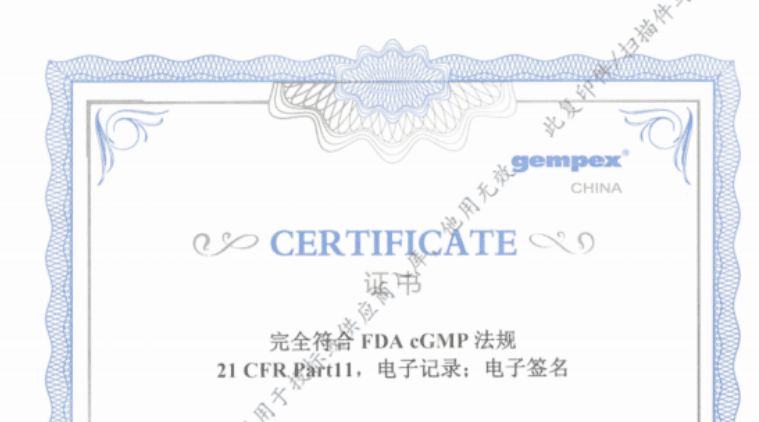
As international e-signature providers such as Adobe Sign have scaled back their presence in the Chinese market, eSign.AI has received a growing number of business inquiries involving FDA and GxP compliance requirements. Through on-site research and client conversations, we have seen clear demand for electronic signature solutions that meet international standards. eSign.AI's electronic signature product has since completed a rigorous FDA 21 CFR Part 11 compliance audit, and the related compliance capabilities are now live in production.
This article aims to provide readers with a clear technical perspective to quickly understand the core business requirements of pharmaceutical companies regarding FDA compliance.
1. Core Interpretation: What is FDA 21 CFR Part 11?
The FDA (U.S. Food and Drug Administration) is an internationally recognized authority in drug and food regulation.
21 CFR Part 11, part of Title 21 of the U.S. Code of Federal Regulations, provides a complete legal and regulatory framework for industries regulated by the FDA when using electronic records and electronic signatures.
Scope of application: All enterprises involved in electronic records and electronic signature operations in the food and pharmaceutical manufacturing industries must strictly comply with Part 11.
Part 11 mainly addresses three core questions:
- When does it apply?
When companies replace paper records with electronic records and handwritten signatures with electronic signatures, they must comply with Part 11. - What constitutes a valid electronic signature?
It must have the same legal effect and binding force as a handwritten signature and cannot merely be a simple image or typed name. - How to ensure its validity?
Through technical and management measures to guarantee authenticity, integrity, and confidentiality of the signature.
The four pillars of Part 11 requirements for electronic signatures:
- Unique identity and non-repudiation
Signers must be verified through a unique account and strong authentication mechanisms (such as passwords, biometrics, digital certificates, etc.) to prevent denial after signing. - Traceability and audit trails
The system must have secure, computer-generated, time-stamped audit logs that record operator, time, reason, and actions, which must be tamper-proof. - System security and data integrity
Access control, system validation, data encryption, and periodic audits must be in place to prevent unauthorized access, tampering, or data loss. - Standardized processes and compliance management
Companies should establish written SOPs (Standard Operating Procedures) to clearly define the entire lifecycle of electronic signature issuance, use, and revocation.
Recent FDA guidance to keep in mind: Part 11 itself has remained largely unchanged since 1997, but FDA continues to publish guidance that shapes how the regulation is applied. In October 2024, FDA finalized its guidance on Part 11 Electronic Systems, Electronic Records, and Electronic Signatures in Clinical Investigations, clarifying when Part 11 applies to systems and records used in clinical research. Regulated organizations should treat Part 11 as the baseline and monitor FDA guidance updates for their specific product area.
2. eSign.AI’s Core Compliance Capabilities
International electronic signature providers typically support FDA-compliant signature formats. Therefore, customers often focus on “whether FDA-compliant signatures are supported”, as this directly reflects product maturity in compliance.
eSign.AI has integrated key requirements of Part 11 into its system design, passed professional audits, and meets all regulatory standards. To support multinational enterprises, it provides:
- Multi-language signature display
Supports Simplified Chinese, Traditional Chinese, English, Japanese, and more to meet global business needs. - Standardized signing reasons
Three common signing reason options are built into the system to improve both efficiency and compliance. - Post-signing identity verification
Identity authentication at the final stage of signing ensures a strong link between the verification and the signature action, enhancing legal validity.
3. Applicable Enterprises
This service is mainly suitable for pharmaceutical manufacturing-related enterprises, especially those engaged in the production of drugs, food, and medical devices, as well as companies involved in cross-border trade with the U.S. and European markets.