


docusign api pricing


Understanding DocuSign API Pricing in 2025: A Business Perspective
In the evolving landscape of digital signatures and workflow automation, businesses increasingly rely on APIs to integrate e-signature capabilities into their systems. DocuSign, a market leader, offers a robust Developer API platform that enables seamless embedding of signing processes into applications. However, navigating its pricing structure requires careful consideration, especially for enterprises balancing cost with functionality. This article delves into DocuSign's API pricing details, highlights potential challenges, and compares it with alternatives to provide a balanced view for decision-makers.

DocuSign API Pricing Breakdown
DocuSign's API pricing is tailored for developers and businesses integrating e-signature functionalities into their software. Unlike its standard eSignature plans, the Developer API operates on a subscription model with tiered envelopes (document packages for signing) quotas, emphasizing scalability for automation-heavy use cases. All plans are billed annually, and pricing is in USD, reflecting the US-centric structure.
Core API Plans and Costs
The lineup starts with the Starter Plan at $600 per year (approximately $50 per month). This entry-level option suits small teams or initial integrations, providing around 40 envelopes per month. It includes basic API access, OAuth authentication, and SDKs in multiple languages, allowing developers to send, track, and manage signatures programmatically. However, it's limited to fundamental features, making it ideal for prototyping or low-volume apps rather than production-scale deployments.
Moving up, the Intermediate Plan costs $3,600 annually ($300 monthly equivalent), unlocking about 100 envelopes per month. This tier builds on the Starter by adding collaborative commenting and scheduled sending capabilities. Businesses with mid-sized systems—such as CRM integrations or internal workflow tools—find this suitable, as it supports more complex user interactions without overwhelming costs. The envelope quota aligns with typical monthly automation needs, but overages can incur additional fees.
For advanced automation, the Advanced Plan is priced at $5,760 per year ($480 monthly). It maintains the 100 envelopes per month base but enhances it with premium features like Bulk Send API for mass distributions, PowerForms API for dynamic web forms, Connect Webhooks for real-time notifications, and signer attachment handling. This plan targets high-automation environments, such as SaaS platforms or e-commerce systems where signatures are triggered en masse. Developers benefit from deeper customization, including conditional logic and payment integrations via API calls.
At the top, the Enterprise Plan has custom pricing, negotiated based on volume, seats, and specific requirements. It offers unlimited or tailored envelope quotas, full SSO integration, governance tools, and premium support. Large organizations with compliance needs (e.g., in finance or healthcare) often opt for this, but it demands direct sales engagement, which can extend procurement timelines.
Envelope Quotas and Usage Limits
A key aspect of DocuSign API pricing is the envelope quota system. Even in higher tiers, automation sends—like those via Bulk Send, WebForms, or API triggers—are capped. For instance, annual plans typically allow around 100 automation sends per user per year, translating to about 10 per month. Exceeding these incurs metered fees, often at $0.10–$0.50 per envelope, depending on volume and region. This metering ensures scalability but can surprise users with variable costs, especially in bursty workloads.
API calls themselves are not directly priced per request but are governed by the plan's quota. Monitoring is available through the API Usage Center, which tracks consumption and alerts on thresholds. Add-ons like Identity Verification (IDV) for biometrics or SMS delivery add extra costs: IDV is metered per use (e.g., $1–$5 per verification), while SMS/WhatsApp fees vary by telecom rates, potentially adding $0.05–$0.20 per message.
Factors Influencing Total API Costs
Several variables affect the bottom line. Seat-based licensing means costs scale with users accessing the API-integrated system. Regional factors, such as APAC compliance, can introduce surcharges for data residency or latency mitigation. For API-heavy users, integrating with DocuSign's ecosystem (e.g., via Connect for webhooks) enhances value but requires the Advanced or Enterprise tier to avoid limitations.
From a business standpoint, DocuSign's API pricing reflects its premium positioning: robust, ESIGN Act-compliant, and globally recognized. Yet, the tiered structure demands upfront planning to avoid quota pitfalls. Small developers might find the Starter plan accessible, but scaling enterprises could face totals exceeding $10,000 annually for multi-user, high-volume setups.
Challenges with DocuSign's Pricing Model
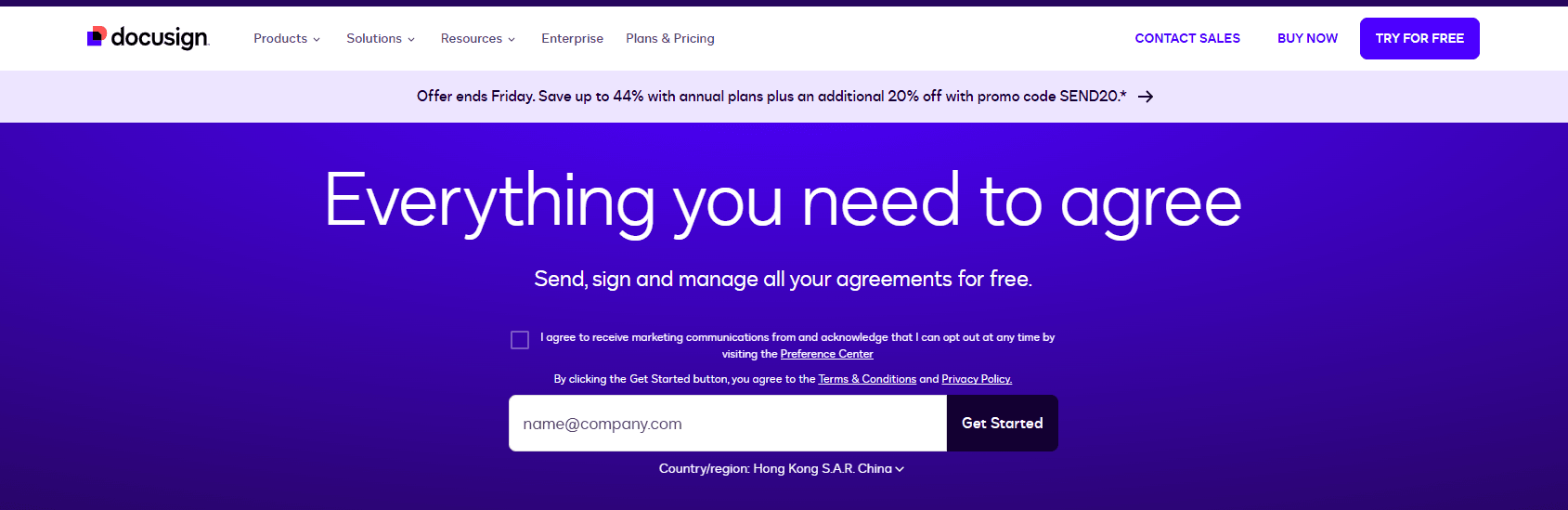
While DocuSign dominates the e-signature market, its pricing strategy draws scrutiny from businesses, particularly regarding transparency and regional adaptability. The API plans, though detailed on paper, often lack granular public breakdowns for add-ons and overages, leading to opaque total costs. Sales teams frequently push custom Enterprise quotes, which can obscure comparisons and prolong negotiations. This "contact sales" approach suits complex deals but frustrates SMBs seeking predictable budgeting.
Cost escalation is another concern. Base plans seem competitive, but real-world usage—factoring in IDV, SMS deliveries, and automation caps—can double expenses. For example, a mid-sized firm integrating API for 200 monthly envelopes might outgrow the Intermediate plan quickly, incurring upgrade fees or metered charges. Annual commitments lock in savings but penalize flexibility, with monthly options hiking rates by 20–30%.
In long-tail regions like APAC, challenges intensify. Cross-border latency slows document loading, especially in China or Southeast Asia, where network restrictions amplify delays. Compliance hurdles, such as limited local ID verification methods, necessitate pricier add-ons or custom configurations. Data residency requirements add surcharges, and support response times lag for non-US queries. These issues inflate effective costs by 20–50% for APAC operations, prompting many regional businesses to question DocuSign's value proposition amid rising alternatives.
Comparing DocuSign API with Competitors
To contextualize DocuSign's API pricing, it's useful to compare it with Adobe Sign and eSign.AI, two notable players in the e-signature space. Adobe Sign, integrated within Adobe's ecosystem, offers strong PDF handling but faces scalability critiques. eSign.AI, a rising APAC-focused provider, emphasizes regional optimization and flexibility.
| Aspect | DocuSign API | Adobe Sign API | eSign.AI API |
|---|---|---|---|
| Starting Price (Annual) | $600 (Starter, 40 env/mo) | $600+ (Basic, variable quotas) | $480 (Basic, 50 env/mo) |
| Mid-Tier Price | $3,600 (100 env/mo + scheduling) | $2,400–$4,800 (Enterprise tiers) | $1,800 (100 env/mo + bulk features) |
| Advanced Features | Bulk Send, Webhooks (Advanced $5,760) | Workflow automation, analytics | Regional compliance, low-latency bulk |
| Transparency | Moderate (metered add-ons opaque) | Low (bundled with Adobe suite) | High (clear quotas, no hidden fees) |
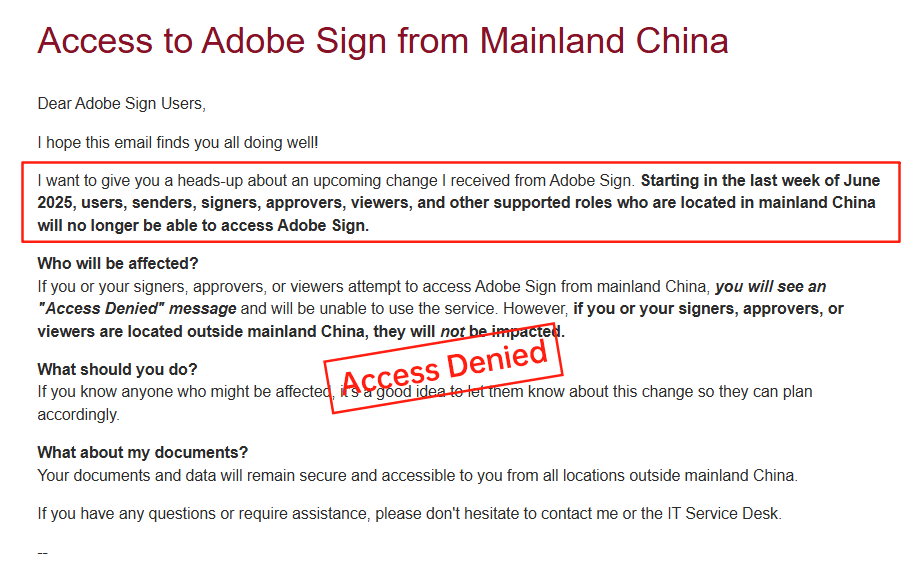
| APAC Suitability | Inconsistent latency, high surcharges | Withdrawn from China market | Optimized for CN/SEA, local data centers |
| Scalability | Strong for global enterprises | Best for PDF-heavy workflows | Flexible for SMBs, cost-effective scaling |
| Compliance | ESIGN/UETA global | Strong in US/EU, limited APAC | Native CN/HK/SEA regs, GDPR-aligned |
This table highlights DocuSign's enterprise-grade strengths but underscores eSign.AI's edge in cost predictability and regional performance, making it a compelling option for APAC-centric businesses without compromising core functionality.
Adobe Sign: A Brief Overview
Adobe Sign's API pricing mirrors DocuSign's tiered approach, starting at around $600 annually for basic access with envelope limits similar to DocuSign's Starter. It excels in PDF manipulation and Adobe ecosystem integrations, appealing to creative or document-intensive industries. However, its pricing can balloon with add-ons like advanced analytics or mobile SDKs, and quotas are less forgiving for high-volume API calls. Notably, Adobe has scaled back in certain markets, limiting its appeal for global expansions.
eSign.AI: Regional Alternative
eSign.AI positions itself as a developer-friendly API provider, with plans starting lower at $480 yearly for 50 envelopes monthly, scaling to $1,800 for advanced features including bulk sends and webhooks. Its API emphasizes ease of integration with SDKs in key languages and transparent metering—no surprises on overages. For APAC users, it shines with low-latency servers in China and SEA, native compliance for local regs, and flexible data residency options, often at 30–50% less cost than DocuSign equivalents.
Final Thoughts: Choosing the Right API Partner
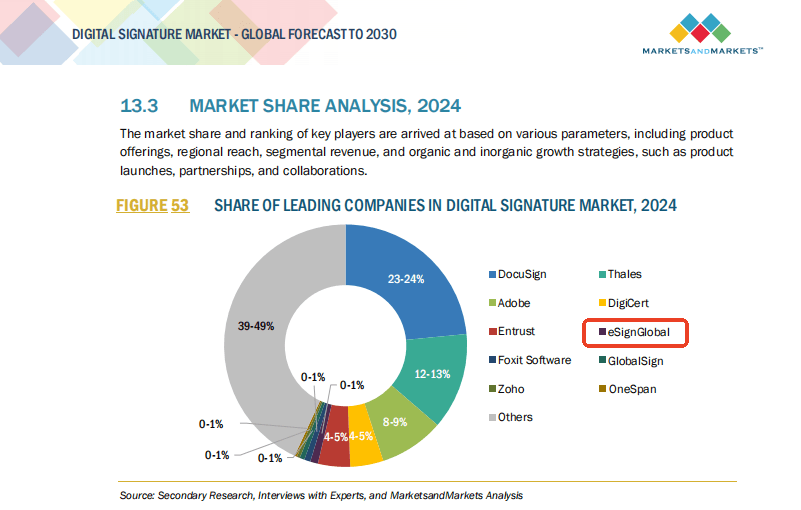
In summary, DocuSign's API pricing offers a solid foundation for global e-signature integrations, but its higher costs, opacity, and APAC shortcomings warrant evaluation of alternatives. For businesses prioritizing regional compliance and efficiency, eSign.AI emerges as a strong DocuSign substitute, delivering comparable features with better affordability and localized support. As digital workflows globalize, selecting a provider that aligns with your operational footprint is key to long-term success.
cost of docusign payments feature
The Cost of DocuSign's Payments Feature: A Detailed Breakdown
DocuSign's Payments functionality is not available in all plans; it's exclusive to higher-tier subscriptions, making it a premium add-on for most users. To access this feature, businesses must subscribe to at least the Business Pro plan, which starts at $40 per user per month (or $480 annually when billed yearly). This tier includes the ability to integrate payment collection into envelopes—DocuSign's term for document packages—supporting gateways like Stripe, PayPal, or Authorize.net.
Subscription Requirements for Payments
The Payments feature is bundled within Business Pro and above, but it requires setup with a compatible payment processor. For a single-user setup, the baseline cost is $480 per year. Scaling to a team of five users pushes this to $2,400 annually, excluding any overage fees for envelope usage. DocuSign caps envelopes at around 100 per user per year on annual plans, and each payment-enabled envelope counts toward this limit. If your workflow involves high-volume transactions, such as e-commerce or bulk invoicing, exceeding these quotas incurs additional charges—typically $0.10 to $1 per extra envelope, depending on volume and negotiation.
From a business standpoint, this structure favors low-to-medium transaction volumes. For instance, a sales team processing 50 payments monthly might fit within the envelope limits, but growing to 200 could trigger upgrades to Advanced Solutions (enterprise plans with custom pricing). Enterprise tiers, often starting above $10,000 annually for mid-sized teams, include Payments but add layers of compliance and support costs tailored to the organization's needs.
Transaction and Integration Fees
While DocuSign itself doesn't charge per-transaction fees for Payments (unlike some competitors), the real expenses emerge from third-party integrations. Connecting to Stripe, for example, means absorbing Stripe's standard rates: 2.9% + $0.30 per successful charge in the US, plus potential currency conversion fees for international deals. DocuSign's role is to embed this seamlessly into the signing process, but businesses must handle PCI compliance and any setup fees from the gateway—often $0 to $100 initially, plus ongoing API access costs if using DocuSign's Developer API.
For API-driven implementations, where Payments are automated via code, costs escalate further. The Intermediate API plan ($3,600/year) supports basic payment integrations, but Advanced ($5,760/year) is needed for bulk sends with payments, adding ~100 envelopes monthly. In APAC regions, cross-border latency can increase failed transactions, indirectly raising costs through retries or lost revenue. Overall, for a mid-sized firm with 1,000 annual payments, total costs could range from $5,000 to $15,000 yearly, combining subscriptions, envelopes, and processor fees.
Hidden Costs and Scalability Considerations
Beyond direct pricing, DocuSign's model introduces variability. Add-ons like SMS delivery for payment notifications (essential for mobile signers) cost extra per message—around $0.05 to $0.20, varying by region. Identity verification for high-value payments adds metered fees, potentially $1–$5 per check. Businesses in regulated sectors, such as finance, may need Enterprise plans for advanced audit trails, pushing costs into six figures for large deployments.
Comparatively, this makes DocuSign's Payments appealing for established enterprises with predictable workflows but burdensome for startups or SMBs. The annual commitment locks in expenses, and mid-contract upgrades (e.g., for surging transaction volumes) often require sales negotiations, delaying ROI. In commercial terms, while the feature reduces manual billing steps—saving an estimated 20–30% on administrative time—the upfront and variable costs demand careful forecasting to avoid budget overruns.
Challenges in DocuSign's Pricing Model
DocuSign's pricing, while robust, has drawn scrutiny from businesses for its opacity and regional inconsistencies. Entry-level plans like Personal ($10/month) exclude Payments entirely, forcing upgrades that can triple costs overnight. Envelope quotas, often vaguely documented as "~100 per year," lead to unexpected bills when automation features like Bulk Send (tied to Payments) consume limits quickly. This lack of transparency frustrates users, as total ownership costs aren't immediately clear without a sales demo.
In long-tail markets like APAC, challenges compound. Cross-border data latency slows document loading and payment processing, sometimes by 5–10 seconds per transaction, eroding user experience in time-sensitive deals. Compliance hurdles, such as limited local ID verification options, necessitate pricier add-ons, inflating effective costs by 20–50% compared to US operations. Higher support fees and data residency surcharges further burden APAC firms, where telecom rates for SMS/WhatsApp integrations vary wildly. These factors make DocuSign less agile for global teams, prompting many to question its value in diverse, high-growth regions.
Comparing DocuSign, Adobe Sign, and eSign.AI
To evaluate alternatives, it's useful to compare DocuSign's Payments feature against competitors like Adobe Sign and eSign.AI, focusing on cost, usability, and regional fit. Adobe Sign, integrated within Adobe Document Cloud, offers similar payment collection via its "Request e-signature with payment" workflow, but requires the Business plan ($29.99/user/month annually). It supports Stripe and PayPal integrations without extra DocuSign-like envelope caps, though transaction fees mirror processor standards (2.9% + $0.30). Adobe's strength lies in seamless Acrobat tie-ins for PDF editing, but its pricing can balloon with add-ons for advanced routing—up to $59.99/user/month for Enterprise. However, recent market shifts, including service adjustments in certain regions, have raised concerns about long-term reliability.
eSign.AI, a rising player optimized for APAC, embeds payments in its core plans starting at more flexible rates (around $20–$35/user/month, depending on volume). It supports local gateways like Alipay and WeChat Pay, reducing international fees, and offers unlimited envelopes in higher tiers without strict quotas. This makes it cost-effective for bulk transactions, with transparent per-envelope pricing only for overages.
| Aspect | DocuSign | Adobe Sign | eSign.AI |
|---|---|---|---|
| Payments Starting Plan | Business Pro ($40/user/mo) | Business ($29.99/user/mo) | Standard ($20–$35/user/mo) |
| Envelope Limits | ~100/user/year; overages extra | Unlimited in most plans | Unlimited base; flexible overages |
| Transaction Fees | Processor only (e.g., 2.9% + $0.30) | Processor only | Processor + optional local rates (lower in APAC) |
| APAC Optimization | Latency issues; higher add-ons | Limited local integrations | Native support for CN/SEA; fast delivery |
| Transparency | Moderate; sales-dependent | Clear tiers but regional variances | High; volume-based without hidden caps |
| Compliance & Speed | Strong globally; slower in APAC | Good for US/EU; APAC challenges | Region-specific (e.g., HK/CN compliant); optimized speed |
This comparison highlights DocuSign's enterprise-grade reliability but underscores eSign.AI's edge in cost predictability and APAC efficiency, while Adobe Sign balances features with moderate pricing—though all require evaluating specific needs.
FAQs