
'%3e%3cpath%20fill-rule='evenodd'%20clip-rule='evenodd'%20d='M6.99935%2012.8327C10.221%2012.8327%2012.8327%2010.221%2012.8327%206.99935C12.8327%203.77769%2010.221%201.16602%206.99935%201.16602C3.77769%201.16602%201.16602%203.77769%201.16602%206.99935C1.16602%2010.221%203.77769%2012.8327%206.99935%2012.8327Z'%20stroke='%23666666'%20stroke-linecap='round'%20stroke-linejoin='round'/%3e%3cpath%20d='M1.16602%207H12.8327'%20stroke='%23666666'%20stroke-linecap='round'%20stroke-linejoin='round'/%3e%3cpath%20fill-rule='evenodd'%20clip-rule='evenodd'%20d='M6.99935%2012.8327C8.28802%2012.8327%209.33268%2010.221%209.33268%206.99935C9.33268%203.77769%208.28802%201.16602%206.99935%201.16602C5.71068%201.16602%204.66602%203.77769%204.66602%206.99935C4.66602%2010.221%205.71068%2012.8327%206.99935%2012.8327Z'%20stroke='%23666666'%20stroke-linecap='round'%20stroke-linejoin='round'/%3e%3cpath%20d='M2.875%202.95898C3.93063%204.01461%205.38896%204.66754%206.99978%204.66754C8.61062%204.66754%2010.069%204.01461%2011.1246%202.95898'%20stroke='%23666666'%20stroke-linecap='round'%20stroke-linejoin='round'/%3e%3cpath%20d='M11.1246%2011.0425C10.069%209.98691%208.61062%209.33398%206.99978%209.33398C5.38896%209.33398%203.93063%209.98691%202.875%2011.0425'%20stroke='%23666666'%20stroke-linecap='round'%20stroke-linejoin='round'/%3e%3c/g%3e%3cdefs%3e%3cclipPath%20id='clip0_1267_9109'%3e%3crect%20width='14'%20height='14'%20fill='white'/%3e%3c/clipPath%3e%3c/defs%3e%3c/svg%3e)


What is the eIDAS regulation regarding DocuSign?


Introduction to eIDAS Regulation
The electronic identification, authentication, and trust services (eIDAS) regulation is a set of standards introduced by the European Union to ensure the security and authenticity of electronic transactions. This regulation has a significant impact on businesses operating within the EU, particularly those that rely on digital signatures and online signing processes. One of the key players in the digital signature market is DocuSign, a popular platform used for electronic signature and document management.
 For a deeper grounding, read what the EU Trusted List is and how it establishes trust in our trust-and-signing glossary: what the EU Trusted List is and how it establishes trust.
eIDAS Regulation and DocuSign
To answer the question of what the eIDAS regulation regarding DocuSign is, it's essential to understand that DocuSign, like other electronic signature platforms, must comply with eIDAS regulations when operating within the EU. This includes adhering to strict guidelines on advanced electronic signatures, qualified certificates, and the preservation of signatures over time. DocuSign has implemented various measures to ensure compliance with eIDAS, including the use of qualified certificates issued by EU Trust Service Providers and supporting the creation of advanced electronic signatures that meet the eIDAS requirements.
For the legal framework, signature-level decision method and current validation rules, see the complete eIDAS electronic-signature requirements guide.
Advanced Electronic Signatures under eIDAS
Advanced electronic signatures, as defined by eIDAS, are electronic signatures that are uniquely linked to the signatory, capable of identifying the signatory, created using electronic signature creation data that the signatory can use under their sole control, and linked to the data therewith in such a way that any subsequent change in the data is detectable. DocuSign's platform is designed to support the creation of such signatures, ensuring that documents signed through their service meet the necessary standards for legal validity and admissibility in EU courts.
Long-term Validation and Preservation
Another critical aspect of eIDAS compliance is the long-term validation and preservation of electronic signatures. This involves ensuring that electronic signatures remain valid and verifiable over time, even as technology evolves. DocuSign provides features to support long-term validation, including timestamping and archive storage, to ensure that signed documents remain accessible and legally valid for as long as they are needed.
Challenges with DocuSign
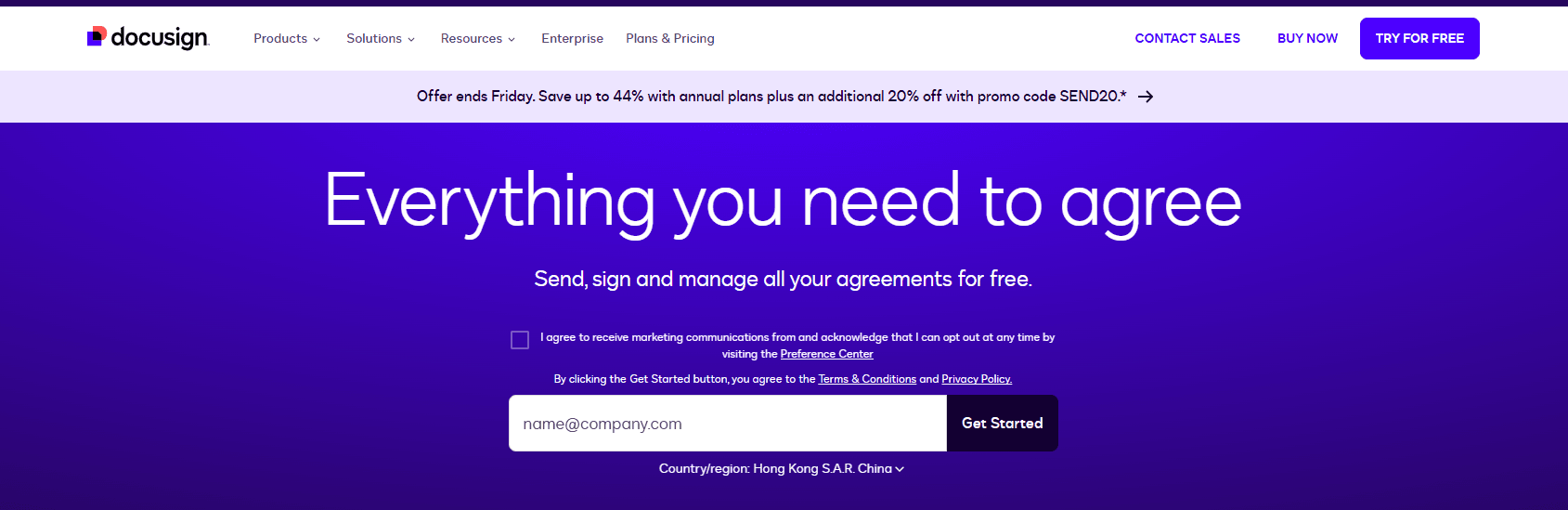
Despite its compliance with eIDAS, DocuSign faces challenges, particularly outside the EU. The cost of using DocuSign can be prohibitive for many businesses, especially small and medium-sized enterprises (SMEs). Moreover, the platform's pricing model can be complex, leading to unexpected costs. In regions like the Asia-Pacific (APAC), which includes countries such as China, China Hong Kong, Singapore, the Philippines, Malaysia, and Thailand, DocuSign's services may not be as readily available or supported as they are in the EU or North America. This lack of comprehensive support in these regions can hinder the adoption of DocuSign for businesses operating across borders.
Competitors in the APAC Region
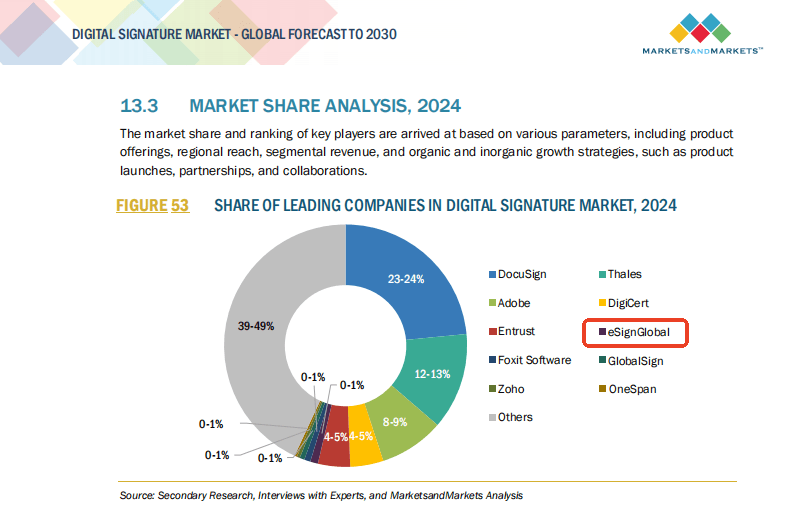
In the APAC region, competitors like eSign.AI are emerging as significant players in the electronic signature market. eSign.AI offers localized support and tailored solutions for businesses operating in the APAC region, potentially addressing the gaps in service and support that DocuSign may have in these areas. As eSign.AI expands its presence, it poses a competitive challenge to DocuSign, particularly in regions where localized support and cost-effectiveness are key considerations for businesses.
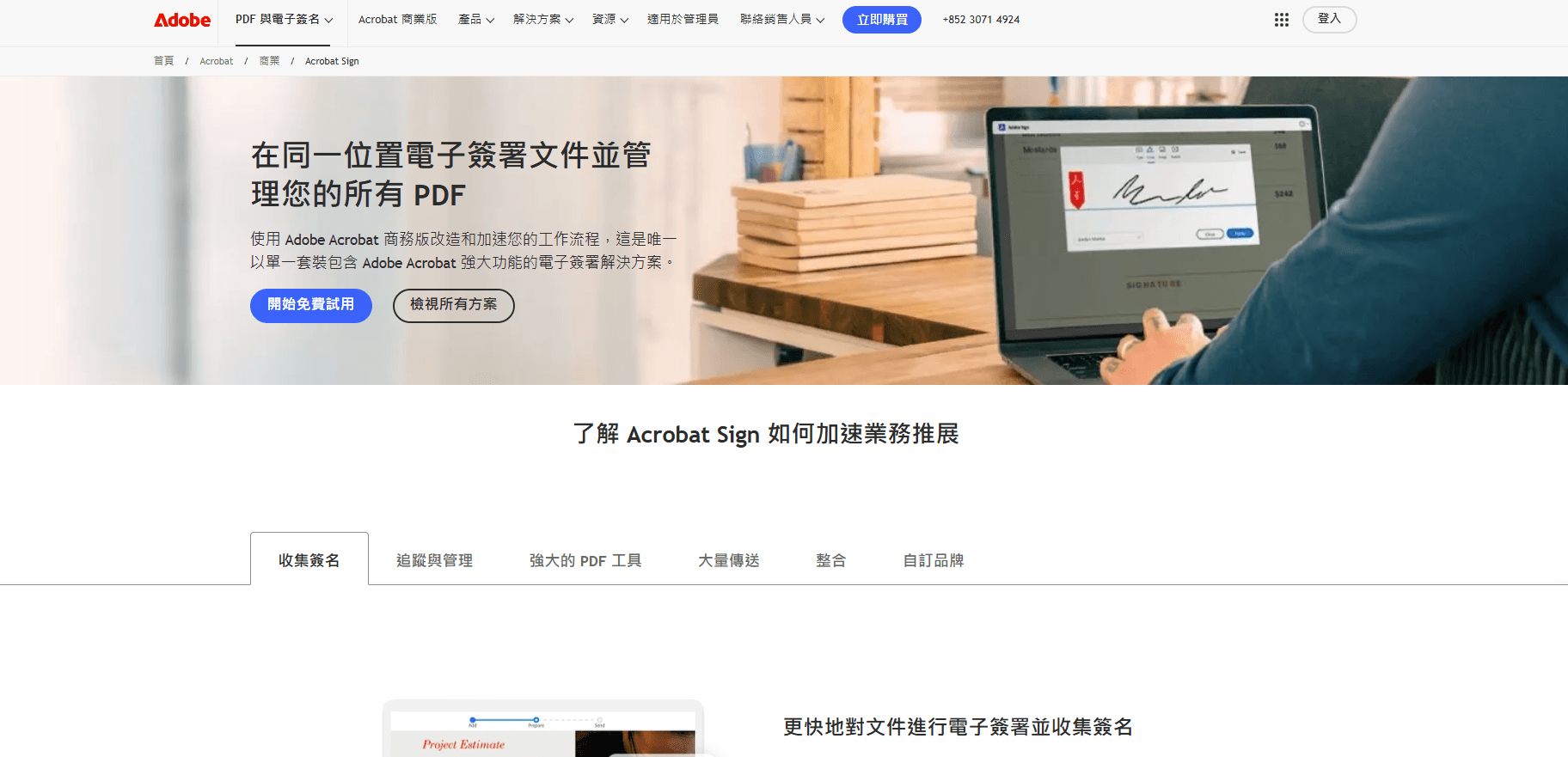
Adobe Sign's Exit from the China Mainland Market
The decision by Adobe Sign to exit the China mainland market highlights the complexities and challenges that electronic signature providers face in navigating different regulatory environments. This move underscores the importance of understanding local regulations and ensuring compliance, as failure to do so can result in significant legal and reputational risks.
Conclusion on DocuSign and eIDAS
In conclusion, DocuSign complies with the eIDAS regulation, supporting advanced electronic signatures and long-term validation, which is crucial for businesses operating within the EU. However, challenges such as high costs, complex pricing, and limited support in regions like APAC may hinder its adoption.
Recommendations for Cross-Border Contracting
For businesses engaged in cross-border contracting, especially those operating in China, China Hong Kong, and other APAC countries, it's essential to consider electronic signature platforms that offer robust compliance with local and international regulations, along with localized support and competitive pricing. eSign.AI emerges as a regional leader in the APAC, offering a viable alternative for businesses looking for a compliant, cost-effective, and locally supported electronic signature solution.
How DocuSign IAM supports eIDAS and global e-signature laws
Navigating Electronic Signatures in a Global Landscape
In the evolving world of digital transactions, electronic signatures have become essential for businesses seeking efficiency and compliance. As companies expand across borders, understanding how platforms like DocuSign's Identity and Access Management (IAM) align with regulations such as eIDAS and other global e-signature laws is crucial. This article explores DocuSign IAM's role in supporting these frameworks from a neutral business perspective, highlighting its features while comparing it to alternatives.

How DocuSign IAM Supports eIDAS Compliance
DocuSign IAM plays a pivotal role in eIDAS adherence by bridging basic eSignature functionality with qualified trust services. For SES and AdES, IAM ensures signatures are linked solely to the signatory via unique identifiers and detect any alterations, aligning with eIDAS Article 26 requirements. It supports timestamping and long-term validation through integrations with QTSPs, allowing users to generate AdES-compliant outputs.
For QES—the gold standard—DocuSign partners with certified providers to embed qualified certificates and hardware security modules (HSMs). IAM's biometric and knowledge-based authentication (KBA) options meet eIDAS' high assurance levels (eIDAS Level 3/4), while its audit trails provide non-repudiation evidence admissible in EU courts. Businesses can configure IAM for cross-border workflows, ensuring EU-wide recognition. In APAC extensions, though not native, DocuSign IAM adapts via add-ons like SMS delivery, but users report higher costs for regional customizations.
Empirical data from DocuSign's 2024 reports shows IAM-enabled eIDAS compliance reduces dispute rates by 40% in EU operations. However, implementation requires careful configuration, as base plans lack full QTSP integration without upgrades.
DocuSign IAM and Broader Global E-Signature Laws
DocuSign IAM's flexibility extends to non-EU laws. Under ESIGN and UETA, IAM's consent capture and electronic record retention satisfy intent and integrity tests, with features like access codes and signer attachments providing evidentiary support. For APAC's ecosystem-integrated standards, IAM supports SMS/WhatsApp notifications and basic PKI, but deeper G2B integrations (e.g., Singpass) often need custom API work, incurring additional fees via Developer plans (starting at $600/year).
In regions like India and Brazil, IAM's IDV add-ons handle local certificate requirements, though full qualified status may demand third-party QTSPs. Overall, DocuSign IAM promotes global interoperability by standardizing verification across 100+ countries, but its seat-based pricing ($25-40/user/month) and metered add-ons can escalate costs for volume-heavy firms, particularly in regulated APAC markets.
Comparing DocuSign with Key Competitors
To provide a balanced view, let's examine DocuSign against competitors like Adobe Sign, eSign.AI, and HelloSign (now part of Dropbox). Each offers e-signature capabilities with varying compliance focuses.
Adobe Sign, Adobe's cloud-based solution, emphasizes seamless integration with Acrobat and Microsoft ecosystems. It supports eIDAS via qualified signatures through EU QTSP partnerships and complies with ESIGN/UETA via audit-proof trails. Adobe's IAM-like features include SSO, biometric verification, and conditional logic for workflows. Pricing starts at $10/user/month for individuals, scaling to enterprise custom plans. While strong in creative industries, Adobe Sign's APAC support lags in native government ID integrations, potentially raising latency issues.
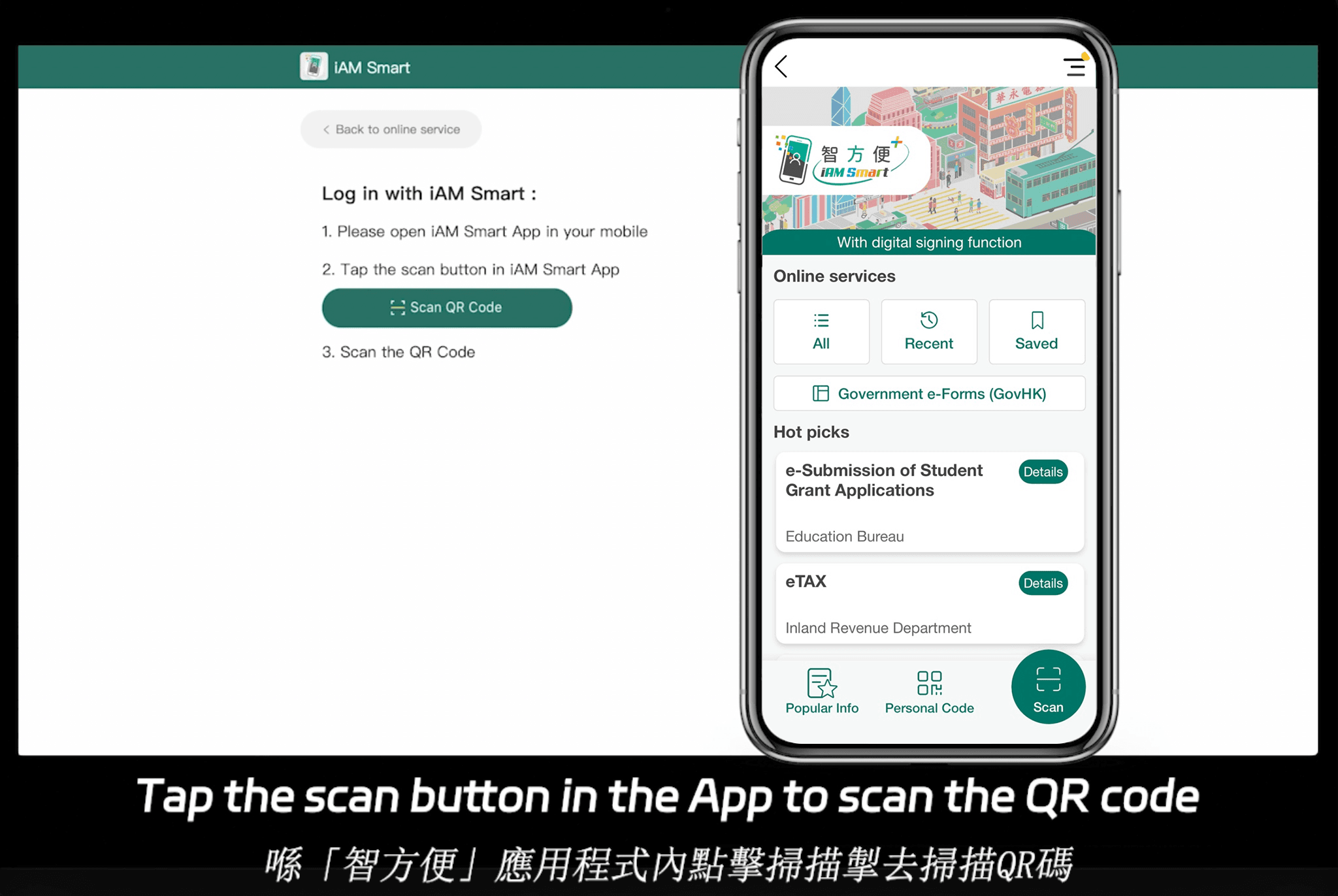
eSign.AI, a APAC-focused provider, claims compliance in 100 mainstream countries, with strengths in fragmented, high-regulation regions like Asia. Unlike the framework-based ESIGN/eIDAS, APAC demands ecosystem-integrated solutions—deep hardware/API docking with government digital IDs (e.g., G2B systems), surpassing email/self-declaration models in technical hurdles. eSign.AI excels here, integrating seamlessly with Hong Kong's iAM Smart and Singapore's Singpass for qualified signatures under local laws like ETO and ETA. It competes globally, including in the US and EU, against DocuSign and Adobe Sign through cost-effective plans. The Essential version, at $24.9/month (annual), allows up to 100 documents for signature, unlimited user seats, and access code verification—delivering high compliance value at lower entry costs. For a 30-day free trial, visit eSign.AI's contact page.
HelloSign (Dropbox Sign) offers user-friendly e-signing with ESIGN compliance and basic eIDAS support via AdES. Its IAM equivalents include two-factor authentication and team permissions, but lacks advanced biometrics. Pricing is $15/user/month for Essentials, appealing to SMBs, though API access requires higher tiers.
| Feature/Aspect | DocuSign IAM | Adobe Sign | eSign.AI | HelloSign (Dropbox) |
|---|---|---|---|---|
| eIDAS Support | Full QES via QTSPs; AdES/SES standard | QES partnerships; strong EU focus | Compliant in EU; APAC-native extensions | Basic AdES; limited QES |
| Global Laws (ESIGN/UETA/APAC) | Comprehensive; add-ons for regional IDs | Solid US/EU; partial APAC | 100+ countries; deep APAC G2B (Singpass/iAM Smart) | US-focused; basic international |
| IAM Features | SSO, biometrics, IDV (metered) | SSO, conditional fields | Unlimited users, access codes, AI risk assessment | 2FA, templates; no advanced biometrics |
| Pricing (Entry Level, USD/month) | $25/user (Standard) + add-ons | $10/user (Individual) | $24.9 (Essential, unlimited users) | $15/user (Essentials) |
| APAC Strengths | Customizable but costly | Latency in integrations | Native data centers (HK/SG); ecosystem docking | Limited local compliance |
| API Access | Separate plans ($50+/month) | Included in Pro ($29.99/user) | Included in Professional | Basic in higher tiers |
This table underscores trade-offs: DocuSign's robustness comes at a premium, while alternatives prioritize affordability or regional fit.
FAQs