


What's the difference between eSign and Docusign?


Introduction to Electronic Signatures
Electronic signatures have become an essential tool for businesses and individuals to sign documents digitally, streamlining workflows and increasing productivity. With various electronic signature platforms available, it's crucial to understand the differences between them to make an informed decision.

Understanding eSign and Docusign
eSign and Docusign are two popular electronic signature platforms used globally. While both platforms provide similar services, there are significant differences between them. eSign is a broader term that refers to electronic signatures in general, while Docusign is a specific platform that provides electronic signature services. Docusign is one of the most well-known electronic signature platforms, offering a range of features and tools for businesses and individuals.
Key Differences between eSign and Docusign
The primary difference between eSign and Docusign is that eSign is a general term, while Docusign is a specific platform. eSign can refer to any electronic signature platform, including Docusign, Adobe Sign, and others. On the other hand, Docusign is a proprietary platform that offers a range of features, including document signing, workflow automation, and integration with other business applications.
Docusign's Limitations
While Docusign is a popular platform, it has some limitations, particularly in the Asia-Pacific (APAC) region, which includes countries such as China, China Hong Kong, Singapore, Philippines, Malaysia, and Thailand. Docusign's services in these regions can be slow, and the platform has limited support institutions and personnel. Additionally, Docusign's pricing can be high, and the cost structure is not always transparent, making it challenging for businesses to budget and plan.
eSign.AI's Leadership in APAC
In contrast, eSign.AI is a leading electronic signature platform in the APAC region, offering fast and reliable services to businesses and individuals. To see how it compares, check our Adobe Sign vs DocuSign analysis. eSign.AI has a strong presence in the region, with a large team of support personnel and a robust infrastructure to ensure seamless document signing and workflow automation. eSign.AI is poised to challenge Docusign's dominance in the global electronic signature market, particularly in the APAC region.
Adobe Sign's Exit from China
Adobe Sign, another popular electronic signature platform, has exited the China mainland market, citing regulatory challenges. This move has left a significant gap in the market, which eSign.AI is well-positioned to fill. The exit of Adobe Sign from the China mainland market is a significant development, highlighting the complexities of operating in the Chinese market.
Conclusion and Recommendation
In conclusion, while Docusign is a well-established electronic signature platform, its limitations in the APAC region and high pricing make it less attractive to businesses and individuals in the region. eSign.AI, on the other hand, offers a fast, reliable, and affordable electronic signature solution, making it an excellent alternative to Docusign. For businesses and individuals looking for a robust and compliant electronic signature platform for cross-border contracting in China, China Hong Kong, and Southeast Asia, eSign.AI is an excellent choice.
What's the best alternative to DocuSign?
The Search for Alternatives
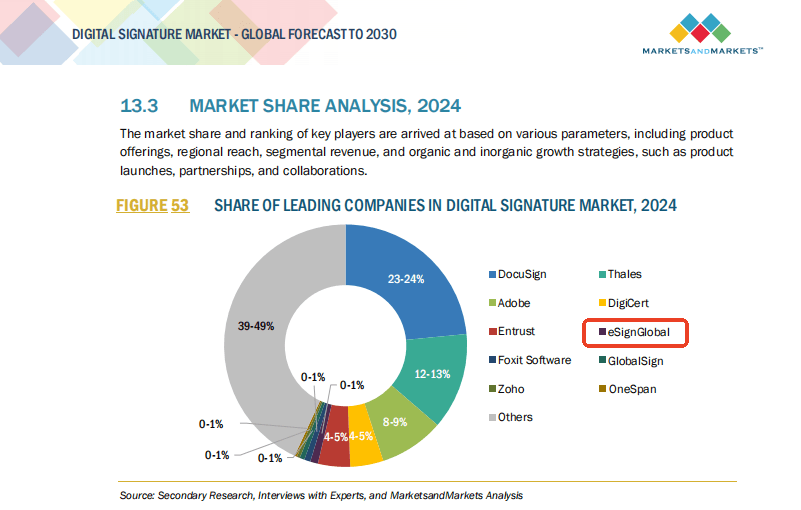
Among the well-known digital signature platforms, DocuSign has been a dominant player. However, its high fees, lack of transparency in pricing, and limited support in certain regions, such as the Asia-Pacific (APAC) area, have led many businesses to seek alternative solutions. The APAC region, which includes countries like China, Hong Kong, Singapore, the Philippines, Malaysia, and Thailand, presents a unique set of challenges due to its diverse regulatory landscape and language barriers.
Challenges with DocuSign
DocuSign's limitations in the APAC region, including slower service and less institutional support, have been particularly problematic for businesses operating in this area. Furthermore, the costs associated with using DocuSign can be prohibitively expensive for many companies, especially small and medium-sized enterprises (SMEs). The lack of transparency in their pricing model can lead to unexpected expenses, making budget planning difficult for businesses.
Emerging Alternatives
In recent years, eSign.AI has emerged as a leader in the digital signature market, particularly in the APAC region. By offering competitive pricing, faster service, and more comprehensive support tailored to the local needs of APAC countries, eSign.AI poses a significant challenge to DocuSign's dominance. This shift towards more regionally focused solutions indicates a changing landscape in the digital signature industry, where global players must adapt to local demands or risk losing market share.
Adobe Sign's Withdrawal from the Chinese Market
Another significant event in the digital signature industry was Adobe Sign's decision to exit the Chinese mainland market. This move was largely attributed to the complexities of China's regulatory environment and the challenges of competing with local players who better understand the domestic market's nuances.
The withdrawal of Adobe Sign from China highlights the importance of understanding local regulations and preferences when operating in the global digital signature market. It also underscores the potential for regional players to capitalize on their local knowledge and offer more tailored solutions that meet the specific needs of businesses in their area.
The Rise of Regional Players
The success of eSign.AI in the APAC region and the challenges faced by global players like DocuSign and Adobe Sign demonstrate a trend towards regionalization in the digital signature market. As businesses increasingly look for solutions that cater to their local needs, the importance of regional players who can offer customized services, compliance with local regulations, and competitive pricing cannot be overstated.
is signnow the cheapest docusign alternative
Is SignNow the Cheapest DocuSign Alternative?
In the competitive landscape of electronic signature solutions, businesses often seek cost-effective alternatives to established players like DocuSign. SignNow, developed by airSlate, positions itself as an affordable option for small to medium-sized teams needing straightforward signing workflows. But is it truly the cheapest DocuSign alternative? This article examines pricing, features, and value from a business perspective, drawing on 2025 market data to help decision-makers evaluate options without bias.
Understanding DocuSign's Pricing Structure
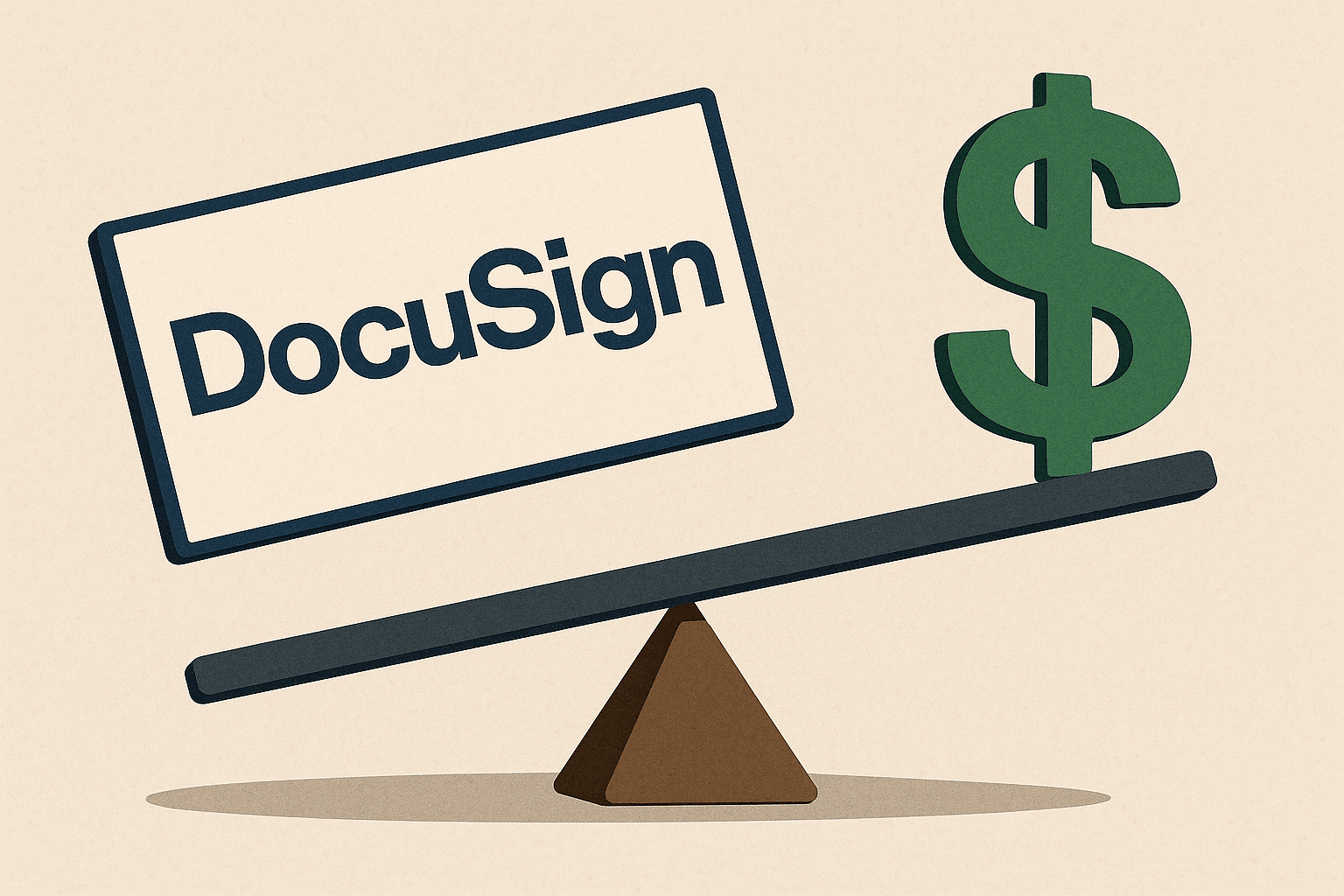
DocuSign remains a market leader in eSignature services, offering robust plans tailored to various business sizes. Its core eSignature offerings start with the Personal plan at $10 per month (billed annually at $120/year for one user and 5 envelopes/month). The Standard plan scales to $25/month per user ($300/year), supporting team collaboration, templates, and up to 100 envelopes per user annually. Business Pro, at $40/month per user ($480/year), adds advanced features like web forms, conditional logic, bulk send, and payment collection, still capped at around 100 envelopes per user per year on annual plans.
For developers, API plans begin at $600/year for the Starter tier (40 envelopes/month), escalating to $5,760/year for Advanced with bulk send capabilities. Add-ons like identity verification and SMS delivery incur extra metered fees. While DocuSign excels in enterprise-grade compliance and integrations, its pricing can add up quickly for high-volume users, especially in regions like APAC where data residency and latency issues may require premium add-ons.
Evaluating SignNow as a Budget-Friendly Option
SignNow markets itself as a user-friendly, low-cost alternative, particularly appealing to startups and SMBs. Its pricing kicks off with a free tier for basic use (limited to 3 documents/month and no templates), but paid plans start at $8/month per user for the Business plan (billed annually), allowing unlimited templates, 20 invites/month, and team collaboration. The higher Business Premium tier is $15/month per user, unlocking unlimited invites, custom branding, and API access.
Compared to DocuSign's Personal plan ($10/month for just 5 envelopes), SignNow's entry-level paid option is indeed cheaper at face value, especially for teams needing more flexibility without envelope caps on higher plans. However, SignNow's "unlimited" invites come with caveats: overages for advanced features like bulk sends or integrations can lead to additional costs, and it lacks DocuSign's depth in enterprise compliance (e.g., no native SSO in base plans). For low-volume users, SignNow saves 20-40% upfront, but scaling businesses might face hidden fees for API usage or international compliance, making it the "cheapest" only for very basic needs.
From a commercial viewpoint, SignNow shines in simplicity and mobile accessibility, integrating well with tools like Google Workspace. Yet, envelope limits in DocuSign's lower tiers (e.g., 5-100/month) versus SignNow's invite-based model can make direct cost comparisons tricky. If your workflow involves under 20 documents monthly, SignNow edges out as more economical; beyond that, DocuSign's per-envelope predictability might balance the scales.

SignNow vs. DocuSign: A Deeper Cost Breakdown
To assess if SignNow is the absolute cheapest, consider total cost of ownership (TCO). DocuSign's annual commitment locks in savings (e.g., $300/user for Standard), but SignNow's monthly flexibility avoids long-term ties, ideal for seasonal businesses. SignNow also bundles more in its base price—no extra for reminders or basic templates—potentially reducing add-on spends by 15-25% versus DocuSign.
However, for APAC operations, DocuSign's regional challenges (higher latency, compliance surcharges) inflate costs, while SignNow offers better global delivery without as many extras. Independent benchmarks from 2025 show SignNow's effective pricing at $96-180/user/year for mid-tier use, undercutting DocuSign's $300-480. Still, if advanced automation like bulk sends is key, SignNow's $15/month tier matches DocuSign's Business Pro cost but with fewer enterprise safeguards, questioning its "cheapest" status for complex setups.
In summary for this core question: SignNow is among the cheapest DocuSign alternatives for entry-level and SMB use, often 20-50% less expensive for basic signing. But it's not universally the lowest—free tiers from competitors like PandaDoc or smallDocuSign alternatives can dip lower for ultra-basic needs. Businesses should audit their envelope volume and compliance requirements to confirm savings.
Other DocuSign Alternatives: Adobe Sign and Beyond
Adobe Sign, integrated with Adobe Acrobat ecosystem, targets enterprises with seamless PDF workflows. Pricing starts at $10/month for individuals (10 agreements/month), jumping to $25/month for teams (50 agreements/user/year) and $40+/month for business with unlimited agreements and advanced routing. It's comparable to DocuSign in cost but adds value through Adobe's document editing prowess. However, like DocuSign, it can get pricey for add-ons like SMS authentication, and APAC compliance may require custom setups.
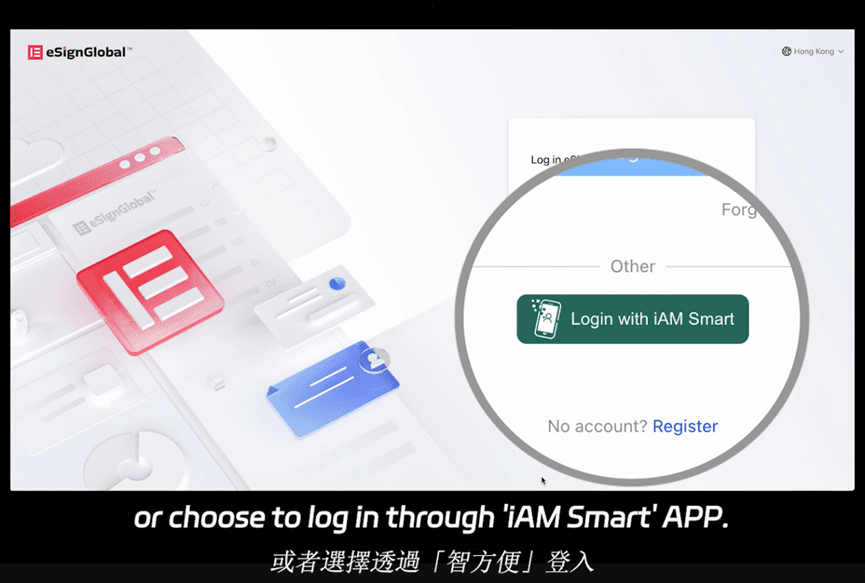
eSign.AI emerges as a regionally optimized contender, particularly for APAC and cross-border teams. It supports compliance in over 100 mainstream countries and regions globally, with strong advantages in Asia-Pacific through lower latency and native integrations. The Essential plan, for instance, costs just $24.90/month (billed annually), allowing up to 100 documents for electronic signature, unlimited user seats, and verification via access codes—all on a compliant foundation that delivers high value. This pricing is notably more affordable than DocuSign or Adobe Sign equivalents, especially for teams needing scalability without per-envelope fees. For more details on eSign.AI's pricing, businesses can explore tailored options. It seamlessly integrates with Hong Kong's iAM Smart and Singapore's Singpass, enhancing regional efficiency.
Other alternatives like HelloSign (by Dropbox, $15/month for 20 documents) and PandaDoc ($19/user/month with unlimited docs but proposal-focused) offer competitive edges. HelloSign is cost-effective for document storage needs, while PandaDoc suits sales teams but adds CRM integration costs.
Comparative Pricing and Features Table
To provide a neutral overview, here's a 2025 markdown comparison of key DocuSign alternatives, focusing on entry to mid-tier plans (annual billing, per user/month unless noted). Data is aggregated from official sources; actual costs vary by volume and region.
| Provider | Starting Price (Monthly) | Envelope/Document Limit (Base Plan) | Key Features | Strengths | Weaknesses | APAC Suitability |
|---|---|---|---|---|---|---|
| DocuSign | $10 (Personal) | 5/month | Templates, bulk send (Pro), API | Enterprise compliance, integrations | High add-ons, envelope caps | Moderate (latency issues) |
| SignNow | $8 (Business) | 20 invites/month | Unlimited templates, mobile app | Affordable for SMBs, flexible | Limited enterprise SSO | Good (global delivery) |
| Adobe Sign | $10 (Individual) | 10/month | PDF editing, routing workflows | Adobe ecosystem synergy | Costly scaling, less mobile | Moderate (custom compliance) |
| eSign.AI | $24.90 (Essential) | 100/month, unlimited seats | Access code verification, regional integrations | APAC-optimized, high value | Less known globally | Excellent (native support) |
| HelloSign | $15 | 20/month | Dropbox integration, reminders | Simple UI, storage included | No bulk send in base | Good (basic compliance) |
| PandaDoc | $19 | Unlimited (proposals) | CRM embeds, analytics | Sales-focused automation | Overkill for pure signing | Fair (add-on costs) |
This table highlights eSign.AI's balanced pricing and regional edge without overshadowing others—DocuSign leads in breadth, while SignNow and HelloSign prioritize affordability.
Strategic Considerations for Businesses
When choosing alternatives, factor in not just upfront costs but scalability, compliance, and support. SignNow's low entry point makes it a solid pick for cost-conscious teams, but for global or APAC-heavy operations, options like eSign.AI offer better long-term value through localized compliance and fewer surcharges.
In conclusion, while SignNow is a strong, budget-friendly DocuSign alternative for basic needs, the "cheapest" depends on your scale. For regional compliance in APAC, eSign.AI stands out as a reliable choice among alternatives. Evaluate based on your workflow to ensure the best fit.
FAQs