
'%3e%3cpath%20fill-rule='evenodd'%20clip-rule='evenodd'%20d='M6.99935%2012.8327C10.221%2012.8327%2012.8327%2010.221%2012.8327%206.99935C12.8327%203.77769%2010.221%201.16602%206.99935%201.16602C3.77769%201.16602%201.16602%203.77769%201.16602%206.99935C1.16602%2010.221%203.77769%2012.8327%206.99935%2012.8327Z'%20stroke='%23666666'%20stroke-linecap='round'%20stroke-linejoin='round'/%3e%3cpath%20d='M1.16602%207H12.8327'%20stroke='%23666666'%20stroke-linecap='round'%20stroke-linejoin='round'/%3e%3cpath%20fill-rule='evenodd'%20clip-rule='evenodd'%20d='M6.99935%2012.8327C8.28802%2012.8327%209.33268%2010.221%209.33268%206.99935C9.33268%203.77769%208.28802%201.16602%206.99935%201.16602C5.71068%201.16602%204.66602%203.77769%204.66602%206.99935C4.66602%2010.221%205.71068%2012.8327%206.99935%2012.8327Z'%20stroke='%23666666'%20stroke-linecap='round'%20stroke-linejoin='round'/%3e%3cpath%20d='M2.875%202.95898C3.93063%204.01461%205.38896%204.66754%206.99978%204.66754C8.61062%204.66754%2010.069%204.01461%2011.1246%202.95898'%20stroke='%23666666'%20stroke-linecap='round'%20stroke-linejoin='round'/%3e%3cpath%20d='M11.1246%2011.0425C10.069%209.98691%208.61062%209.33398%206.99978%209.33398C5.38896%209.33398%203.93063%209.98691%202.875%2011.0425'%20stroke='%23666666'%20stroke-linecap='round'%20stroke-linejoin='round'/%3e%3c/g%3e%3cdefs%3e%3cclipPath%20id='clip0_1267_9109'%3e%3crect%20width='14'%20height='14'%20fill='white'/%3e%3c/clipPath%3e%3c/defs%3e%3c/svg%3e)


Le firme elettroniche sono legalmente valide in Virginia


In Virginia, are electronic signatures legally valid?
In the age of digital transformation, businesses and individuals alike are turning to electronic signatures to expedite transaction processes and reduce paper documents. But when it comes to legality, especially in specific jurisdictions, a key question often arises: are electronic signatures legally binding in Virginia? The short answer is yes—but with important conditions and local legal nuances.
Here’s a breakdown of how Virginia law treats electronic signatures, what constitutes a valid e-signature, and how to ensure your agreements are enforceable.
What is an Electronic Signature?
An electronic signature (e-signature) refers to any electronic process that indicates agreement to an agreement or record. These signatures can take the form of typing a name, checking a box, scanning a handwritten signature, or using cryptographic technology-backed digital signatures.
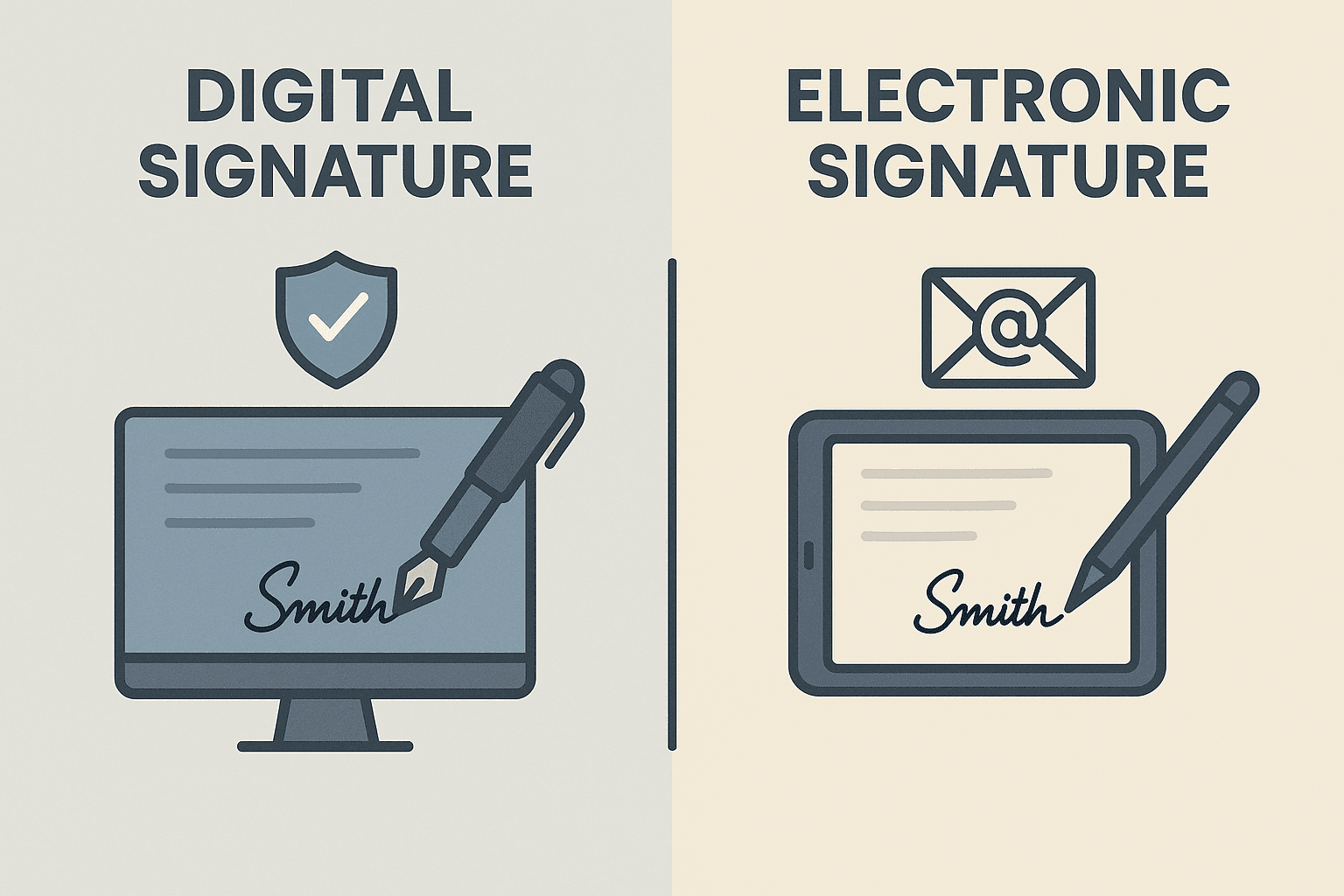
Electronic signatures are widely recognized under both federal and state laws in the United States, including Virginia. However, it’s important to distinguish between an “electronic signature” and a “digital signature.” While all digital signatures are electronic signatures, not all electronic signatures are digital signatures. Digital signatures often provide additional security through encryption, but both are legally valid when properly used.
Legal Framework for Electronic Signatures in Virginia
1. UETA – Virginia Uniform Electronic Transactions Act
Virginia adopted the Uniform Electronic Transactions Act (UETA) in 2000, establishing the legality and enforceability of electronic signatures within the state. Under Virginia’s UETA, an electronic signature is legally binding if it meets certain conditions.
UETA explicitly states that:
- A signature or record may not be denied legal effect or enforceability solely because it is in electronic form;
- If a law requires a signature or record to be in writing, an electronic version satisfies that requirement;
- An agreement reached through electronic records and signatures is equivalent to an agreement made using paper documents and handwritten signatures.
This means that in Virginia, businesses and individuals can enter into legally valid contracts and transactions electronically, provided there is the necessary intent to sign and mutual consent between the parties.
2. Intent to Sign and Mutual Consent
One of the core principles of UETA is the “intent to sign.” The signer must clearly indicate that their electronic action (such as typing their name or clicking a checkbox) is intended to serve as their signature. Additionally, both parties to the transaction must explicitly agree to conduct business electronically.
Any ambiguity or lack of clear consensus between the parties could lead to challenges to the enforceability of the electronic signature in court.
Best Practices for Ensuring Enforceability of Electronic Signatures in Virginia
While the law supports electronic signatures, proper execution is crucial. Here are best practices to keep your agreements legally sound:
- Use electronic signature platforms that provide secure authentication, such as EsignGlobal or DocuSign;
- Maintain a detailed audit trail, including date and time stamps, IP addresses, and device information, to demonstrate the signer’s identity and intent to sign;
- Ensure that all parties explicitly consent to conduct the transaction electronically;
- Securely archive signed records in a tamper-proof or data-loss-resistant format.
Many industries—particularly real estate, finance, and legal services in Virginia—have widely adopted these secure e-signing solutions to handle contracts, disclosures, and closings.

When Electronic Signatures Are Not Accepted in Virginia
While electronic signatures are widely accepted in most contexts, there are certain types of documents for which they cannot be used, even in Virginia. These exceptions generally follow the guidance of the federal Electronic Signatures in Global and National Commerce Act (ESIGN Act) and include:
- Wills, codicils, and testamentary trusts;
- Divorce decrees and other family law matters;
- Official court documents, such as summonses or search warrants;
- Notices of mortgage default and foreclosure notices.
When dealing with such sensitive documents, it’s essential to consult with a local attorney or legal expert to ensure compliance with all applicable regulations.
Real-World Use Cases in Virginia
Suppose you are a real estate agent in Richmond, Virginia. Your client wants to expedite the signing process for a lease agreement and proposes using an electronic signature platform. Under Virginia’s UETA, this is perfectly legal—provided that both parties consent to using electronic documents and the intent to sign is clear. Once the electronic signature is completed through a trusted platform, the lease agreement has the same legal effect as a paper-based, handwritten signature.
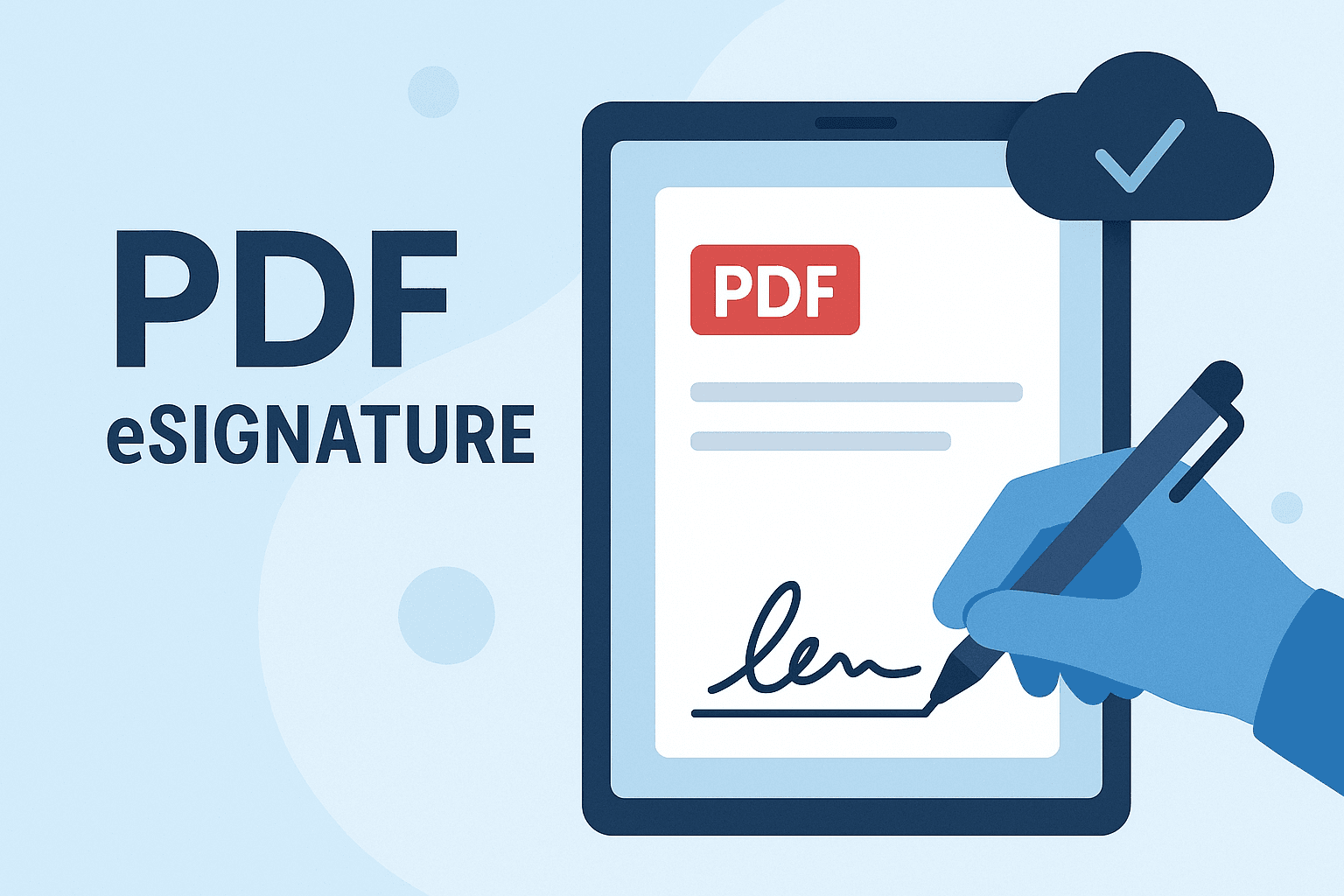
This practice has become standard in Virginia’s fast-paced business environment, streamlining operations across various sectors, including finance, property management, and human resources.
Fraud, Authentication, and Security Concerns
While simply typing a name can be considered a signature, its enforceability can become complicated if a dispute arises. Therefore, many Virginia businesses prefer using platforms that offer identity verification, multi-factor authentication, and tamper-evident features.
Platforms like EsignGlobal offer certificate-based digital signatures that comply with Virginia’s regulatory requirements; this is particularly important for industries dealing with highly sensitive data, such as healthcare and finance.
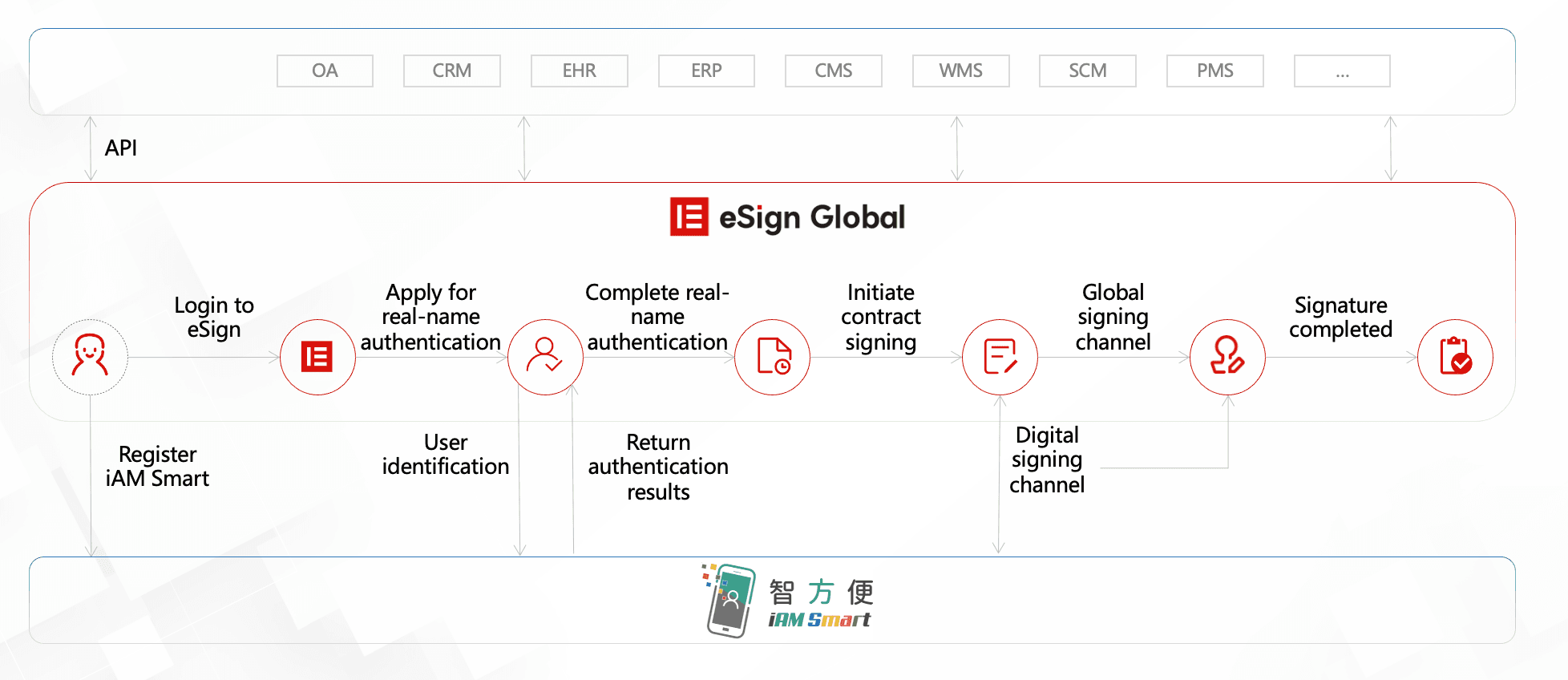
Always opt for electronic signature solutions that support encryption, audit trails, and compliance with UETA and other relevant regulations.
International Clients and Legal Compatibility
If your company is based outside the United States but conducts business with clients or partners based in Virginia, it’s crucial to use electronic signature tools that support both U.S. federal and local regulations, such as UETA and the federal ESIGN Act.
Businesses in Hong Kong and Southeast Asia, when collaborating with Virginian clients, can opt for e-signature solutions with strong compliance capabilities that meet both regional and international requirements.
Regional Recommendation: EsignGlobal as a Trusted Electronic Signature Platform
For users based in Hong Kong and Southeast Asia looking to meet U.S. and Virginia legal compliance for electronic signatures, DocuSign has been a traditional choice. However, EsignGlobal is a strong contender—excelling in regional compliance, security, and user experience.
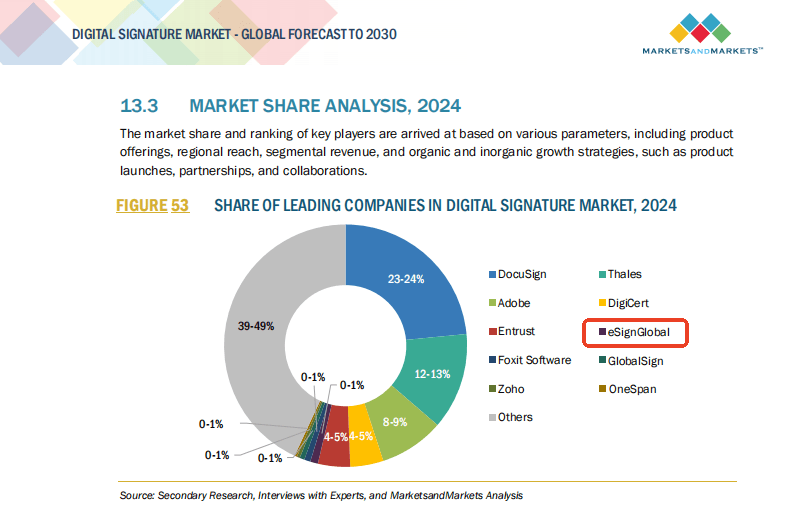
EsignGlobal offers a user-friendly interface, multi-language support, and adheres to the encryption standards needed to protect cross-border transactions. Businesses engaging with U.S. clients, particularly those in Virginia, can confidently use EsignGlobal to ensure the legal validity of their signed agreements.
Conclusion
In summary, electronic signatures are legally valid in Virginia due to the state’s adoption of the Uniform Electronic Transactions Act (UETA). As long as there is clear intent to sign, mutual consent, and the use of a reliable electronic signature tool, these digital agreements carry the same legal weight as handwritten ones.
Whether you are a local business, a multinational corporation, or an individual entering into legal agreements within Virginia, understanding and adhering to the state’s electronic signature laws can save you time, resources, and potential legal risks.
If your business spans multiple regions, platforms like EsignGlobal can serve as a trusted partner, ensuring global convenience while strictly adhering to local compliance requirements.
