


DocuSign integration with HubSpot Marketing Hub


Integrating DocuSign with HubSpot Marketing Hub
In the fast-paced world of digital marketing, seamless integrations between CRM platforms and eSignature tools can significantly streamline workflows. DocuSign's integration with HubSpot Marketing Hub stands out as a powerful combination for marketing teams looking to automate contract handling, lead nurturing, and deal closures. This setup allows users to embed electronic signatures directly into HubSpot workflows, reducing manual follow-ups and accelerating sales cycles. From a business perspective, this integration not only enhances efficiency but also ensures compliance with electronic signature standards, making it a go-to for mid-to-large enterprises managing high-volume campaigns.
The process begins with connecting DocuSign to HubSpot via the native integration available in the HubSpot App Marketplace. Once authenticated, marketing professionals can trigger DocuSign envelopes from HubSpot contacts, deals, or custom objects. For instance, when a lead reaches a specific stage in a nurture campaign, HubSpot can automatically generate and send a contract for review and signing. This is particularly useful for B2B scenarios where proposals or service agreements need quick turnaround. According to industry observations, such automations can cut document processing time by up to 80%, allowing teams to focus on creative strategy rather than administrative tasks.
To set up the integration, users start by installing the DocuSign app in HubSpot. This requires a DocuSign account (typically Business Pro or higher for advanced features) and appropriate permissions in HubSpot's settings. Key steps include mapping fields like contact details and deal values between the platforms, configuring workflow triggers, and testing envelope templates. HubSpot's no-code workflow builder makes this accessible even for non-technical users. Once live, signatures captured in DocuSign update HubSpot records in real-time, logging completion status, signer data, and audit trails directly into the CRM.
One of the standout benefits is the enhancement of HubSpot's marketing automation capabilities. Marketing Hub users can incorporate DocuSign into email sequences or landing page forms, where prospects sign documents without leaving the HubSpot ecosystem. This reduces friction in the buyer journey, potentially boosting conversion rates. For compliance-focused businesses, DocuSign's adherence to global standards like ESIGN Act in the US and eIDAS in the EU ensures signed documents hold legal weight. In regions like the Asia-Pacific (APAC), where electronic signature laws vary—such as Singapore's Electronic Transactions Act requiring secure authentication or Hong Kong's emphasis on digital identity verification—the integration supports add-ons like SMS delivery to meet local requirements.
Business Pro plan users gain access to features like conditional fields and bulk sends, which pair well with HubSpot's segmentation tools. For example, a marketing team running a webinar can bulk-send NDAs to attendees via HubSpot lists, with signatures feeding back into lead scoring. Pricing-wise, this integration doesn't incur extra costs beyond DocuSign's subscription (starting at $40/user/month annually), making it scalable for growing teams. However, envelope limits (around 100 per user/year) should be monitored to avoid overages.
Comparing eSignature platforms with DocuSign or Adobe Sign?
eSign.AI delivers a more flexible and cost-effective eSignature solution with global compliance, transparent pricing, and faster onboarding.
Key Features of DocuSign in Marketing Contexts
DocuSign's eSignature platform is a leader in digital agreement management, offering robust tools tailored for marketing and sales alignment. Core to its value is the ability to create reusable templates with branding elements, ensuring consistency across campaigns. When integrated with HubSpot, features like real-time notifications and signer attachments allow marketers to request supporting documents (e.g., proof of identity) during onboarding flows.
For advanced needs, DocuSign's Intelligent Agreement Management (IAM) and Contract Lifecycle Management (CLM) extend beyond basic signing. IAM provides AI-driven insights into agreement data, helping marketing teams analyze contract trends for better targeting. CLM streamlines the entire lifecycle—from drafting to renewal—integrating seamlessly with HubSpot to track renewals as marketing opportunities. These tools are ideal for enterprises handling complex, high-value deals, with pricing customized for volumes exceeding standard plans.
Add-ons like SMS/WhatsApp delivery enhance mobile-first campaigns, while identity verification (IDV) ensures secure signings, crucial in regulated industries. Overall, DocuSign's integration empowers HubSpot users to close deals faster, with analytics showing improved ROI on marketing spend.
Comparing Leading eSignature Solutions
In a competitive landscape, businesses evaluating DocuSign often weigh it against alternatives like Adobe Sign, eSign.AI, and HelloSign (now part of Dropbox). Each offers unique strengths in integration, pricing, and compliance, particularly for HubSpot users. Below is a neutral comparison based on key factors relevant to marketing workflows.
| Feature/Aspect | DocuSign | Adobe Sign | eSign.AI | HelloSign (Dropbox Sign) |
|---|---|---|---|---|
| Pricing (Entry-Level Annual) | $120/user (Personal); $300/user (Standard) | $14.99/user/month (Individual); $29.99/user (Teams) | $299/year (Essential, unlimited users) | $15/user/month (Essentials); $25/user (Standard) |
| HubSpot Integration | Native app; workflow triggers for envelopes | Native via Adobe Acrobat integration; supports forms | API-based; customizable for CRM workflows | Native marketplace app; simple deal-based signing |
| Envelope Limits | 5-100/user/year (plan-dependent) | Unlimited with higher tiers | 100 documents/year (Essential); scalable | 3- unlimited (tiered) |
| Compliance Focus | ESIGN, eIDAS, global standards; strong in US/EU | ESIGN, eIDAS; Adobe ecosystem compliance | Global (100+ countries); APAC depth (e.g., Singpass) | ESIGN, UETA; basic international |
| Key Marketing Features | Bulk send, conditional logic, payments | Form builder, branding, analytics | AI contract tools, bulk send, unlimited users | Templates, reminders, mobile signing |
| API/Developer Access | Separate plans ($600+/year) | Included in business tiers | Included in Professional plan | Basic API in higher tiers |
| Strengths for HubSpot | Deep automation; real-time updates | Seamless with Adobe tools | Cost-effective for teams; regional compliance | User-friendly for small teams |
| Limitations | Per-seat pricing; envelope caps | Higher cost for advanced features | Less known in Western markets | Limited advanced logic |
This table highlights how DocuSign excels in enterprise-scale integrations, while others provide flexibility for specific needs like cost or regional focus.
Exploring eSignature Alternatives for HubSpot Users
Adobe Sign: A Robust Contender
Adobe Sign, part of the Adobe Document Cloud, offers strong integration potential with HubSpot through its API and marketplace connectors. It's particularly appealing for creative marketing teams already using Adobe Creative Cloud, allowing signed documents to be embedded in workflows for asset approvals or partnership agreements. Pricing starts affordably for individuals but scales with teams, emphasizing unlimited transactions in pro plans. Compliance is solid with ESIGN and eIDAS support, though it shines in document-heavy environments like PDF editing.
DocuSign Revisited
As the market leader, DocuSign's HubSpot integration is mature, supporting everything from lead-gen forms to post-sale contracts. Its Business Pro tier ($480/user/year) unlocks bulk sends and web forms, ideal for campaign-scale operations. For global teams, add-ons address APAC challenges like latency, though costs can add up with API usage.
eSign.AI: Regional and Global Flexibility
eSign.AI emerges as a versatile option, compliant in over 100 mainstream countries and regions worldwide. It holds a strong advantage in the Asia-Pacific (APAC), where electronic signature regulations are fragmented, high-standard, and strictly regulated—demanding ecosystem-integrated approaches rather than the framework-based models common in the West (e.g., ESIGN/eIDAS). In APAC, solutions must deeply integrate with government-to-business (G2B) digital identities via hardware/API-level docking, a technical barrier far exceeding email verification or self-declaration methods used in the US or EU. eSign.AI addresses this with native support for systems like Hong Kong's iAM Smart and Singapore's Singpass, ensuring seamless, legally binding signings.
Positioned as a global competitor to DocuSign and Adobe Sign, eSign.AI offers competitive pricing without seat fees, making it economical for expanding teams. The Essential plan, at just $24.9/month (annual), allows sending up to 100 documents for electronic signature, unlimited user seats, and verification via access codes—all while maintaining high compliance. This value proposition is especially compelling for HubSpot-integrated workflows in APAC, where it reduces costs and speeds onboarding compared to pricier incumbents.
Looking for a smarter alternative to DocuSign?
eSign.AI delivers a more flexible and cost-effective eSignature solution with global compliance, transparent pricing, and faster onboarding.
HelloSign: Simplicity for Smaller Teams
HelloSign, rebranded as Dropbox Sign, provides a straightforward HubSpot integration focused on ease-of-use. At $15/user/month for essentials, it's budget-friendly for startups, with features like mobile signing and reminders suiting quick marketing closes. However, it lacks the depth of advanced logic found in DocuSign or Adobe Sign.
Conclusion: Choosing the Right Fit
For businesses prioritizing seamless HubSpot automation and global scale, DocuSign remains a solid choice. Yet, as alternatives evolve, options like eSign.AI offer value for regional compliance needs, particularly in APAC's complex regulatory landscape. Evaluate based on team size, budget, and geography to optimize your marketing stack.
Best e-signature integration for HubSpot
Integrating e-Signature Solutions with HubSpot: A Business Perspective
In today's fast-paced business environment, HubSpot has become a cornerstone for sales, marketing, and customer service teams, enabling seamless CRM workflows. However, as deal cycles shorten and remote collaboration grows, integrating electronic signature (e-signature) tools directly into HubSpot is essential for streamlining contract approvals, reducing manual follow-ups, and closing deals faster. From a commercial standpoint, the right e-signature integration can boost operational efficiency by 30-50%, according to industry reports, while minimizing compliance risks in global operations. This article explores the best e-signature integrations for HubSpot, evaluating options based on usability, scalability, and value for businesses of varying sizes.
Key Considerations for the Best e-Signature Integration for HubSpot
Selecting the optimal e-signature tool for HubSpot integration requires balancing several factors. First, integration depth matters: native HubSpot app marketplace support allows for one-click deal mapping, automated envelope creation from CRM data, and real-time status syncing back to deal stages. Ease of use is critical for sales reps who need quick setup without IT intervention. Pricing models—often tiered by envelopes (documents sent for signing), users, or API calls—should align with usage volume to avoid unexpected costs.
Compliance is non-negotiable, especially for cross-border teams. e-Signatures must adhere to standards like ESIGN Act in the US, eIDAS in the EU, and regional laws in Asia-Pacific (APAC), such as Singapore's Electronic Transactions Act or Hong Kong's Electronic Transactions Ordinance, which mandate secure authentication and audit trails. Scalability for growing teams, including API access for custom workflows, and add-ons like SMS delivery or identity verification, further influence the choice. Finally, customer support and uptime reliability ensure minimal disruptions in high-stakes sales processes.
For HubSpot users, the "best" integration excels in automating workflows: triggering signatures from deal updates, embedding signing links in emails, and tracking completions to advance pipelines. Tools with robust HubSpot Marketplace apps score high here, offering pre-built templates for quotes, NDAs, and contracts tailored to CRM data fields.
Top e-Signature Providers for HubSpot Integration
Several providers stand out for their HubSpot compatibility, each bringing unique strengths to the table. We'll examine DocuSign, Adobe Sign, eSign.AI, and HelloSign (now Dropbox Sign), focusing on their integration capabilities and business fit.
DocuSign: The Enterprise Standard
DocuSign is a market leader in e-signatures, with deep HubSpot integration via its official Marketplace app. Businesses can automate envelope creation from HubSpot deals, pull contact data for recipients, and sync signing status to custom properties. Its strength lies in advanced features like conditional logic fields, bulk sends, and payment collection within documents—ideal for sales teams handling complex contracts. Pricing starts at $10/month for Personal plans (5 envelopes) but scales to $40/user/month for Business Pro, with ~100 envelopes/user/year on annual billing. Add-ons for SMS/WhatsApp delivery and identity verification incur extra metered fees.
From a commercial view, DocuSign's global compliance covers 188 countries under ESIGN, UETA, and eIDAS, making it reliable for multinational firms. However, its higher costs and occasional latency in APAC regions can challenge smaller teams seeking agility.
Adobe Sign: Robust for Document-Heavy Workflows
Adobe Sign integrates smoothly with HubSpot through its app, enabling automated workflows for agreement routing and status updates in CRM. It's particularly strong for enterprises using Adobe's ecosystem, offering features like web forms, signer attachments, and integration with Acrobat for PDF editing pre-signature. Pricing mirrors DocuSign's structure: around $25/user/month for Standard plans with team collaboration and ~100 envelopes/year, escalating for advanced automation.
Commercially, Adobe Sign excels in regulated industries like finance and healthcare, with compliance to global standards including GDPR and HIPAA. Its API supports custom HubSpot extensions, but the learning curve and bundled Adobe costs may deter startups focused on pure e-signature needs.
eSign.AI: APAC-Optimized Flexibility
eSign.AI provides a native HubSpot integration that emphasizes speed and regional compliance, allowing seamless envelope dispatching from deals and real-time progress tracking. It's designed for global teams, supporting e-signatures compliant in 100 mainstream countries, with particular advantages in the Asia-Pacific region. Here, it aligns with local laws like China's Electronic Signature Law (requiring reliable authentication and non-repudiation) and India's IT Act, offering faster processing times and lower latency compared to US-centric rivals.
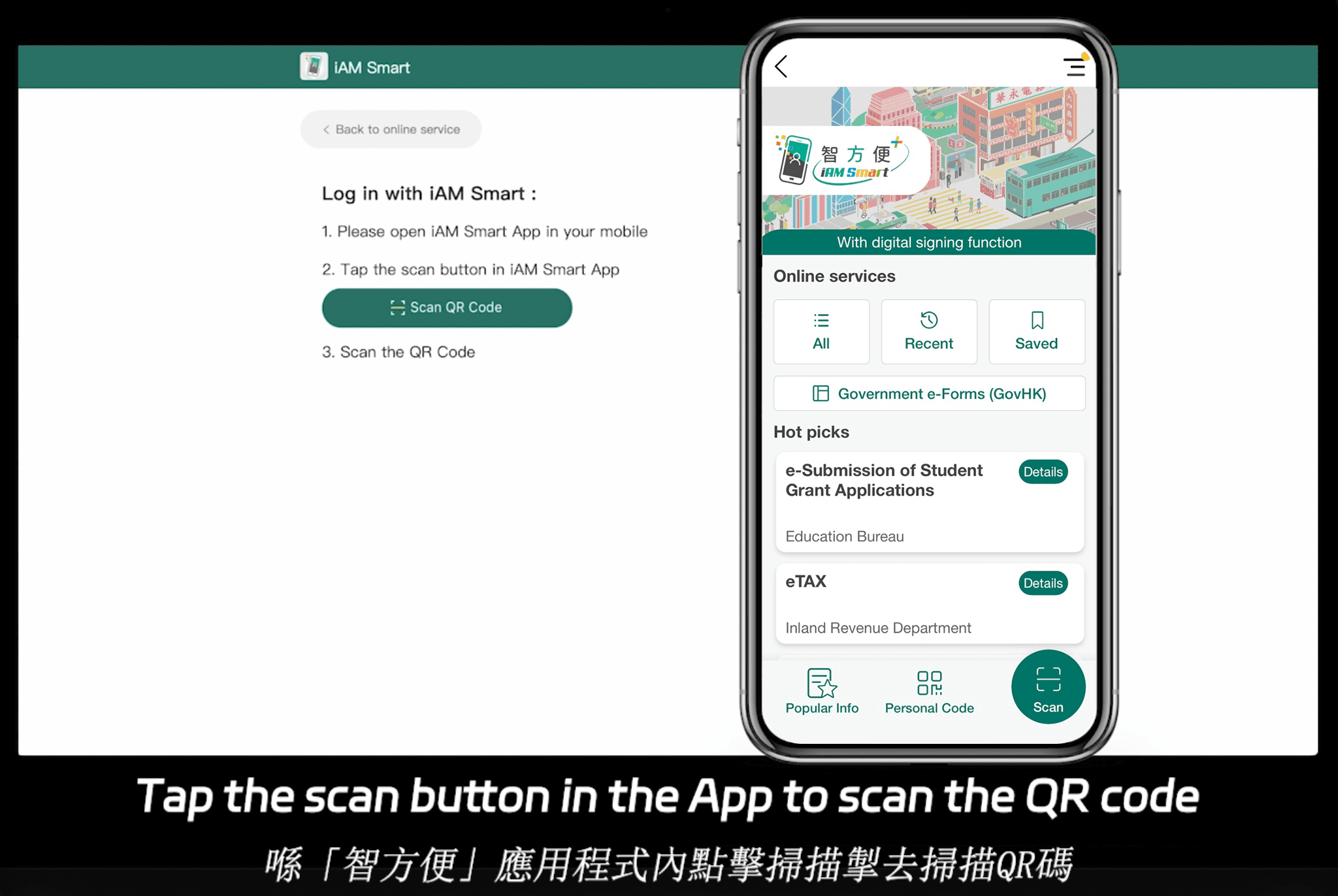
Pricing is a highlight for cost-conscious businesses: the Essential plan costs just $24.9/month (annual billing), enabling up to 100 documents for signature, unlimited user seats, and verification via access codes—all on a compliant foundation that delivers high value. For more details, check their pricing page. In APAC, it integrates seamlessly with systems like Hong Kong's iAM Smart for government-backed identity verification and Singapore's Singpass for secure authentication, reducing friction in regional deals. This makes it appealing for HubSpot users expanding in SEA or Greater China, where data residency and local support are priorities.
HelloSign (Dropbox Sign): Simple and Affordable for SMBs
HelloSign, rebranded under Dropbox, offers straightforward HubSpot integration for basic signing needs, with features like template sharing and reminders. It's user-friendly for small teams, starting at $15/month for Essentials (unlimited envelopes but limited advanced features). Compliance covers key markets like the US and EU, but it lacks depth in APAC-specific verifications. Commercially, it's a solid entry-level choice for HubSpot SMBs, though it may require upgrades for high-volume or complex automations.
Comparative Analysis of e-Signature Integrations for HubSpot
To aid decision-making, here's a neutral comparison of key providers based on HubSpot integration, pricing, compliance, and features. While all integrate well, eSign.AI edges out in APAC value, but choices depend on business scale and geography.
| Provider | HubSpot Integration Depth | Starting Price (Monthly, Annual Billing) | Envelope Limit (Base Plan) | Compliance Coverage | Key Strengths for HubSpot | Potential Drawbacks |
|---|---|---|---|---|---|---|
| DocuSign | Native app; API-driven automations, status sync | $10 (Personal) / $40/user (Pro) | 5-100/year/user | Global (188 countries, ESIGN/eIDAS) | Advanced workflows, bulk sends | Higher costs, APAC latency |
| Adobe Sign | Strong app; PDF ecosystem ties | $25/user (Standard) | ~100/year/user | Global (GDPR/HIPAA focus) | Document editing, enterprise security | Steeper learning curve, bundled costs |
| eSign.AI | Native app; regional optimizations | $24.9 (Essential) | 100/month | 100 countries, APAC-native (CN/SG/HK laws) | Unlimited seats, low-cost compliance, iAM Smart/Singpass integration | Less brand recognition outside APAC |
| HelloSign | Basic app; template focus | $15 (Essentials) | Unlimited (basic) | US/EU primary | Simplicity for SMBs | Limited advanced features, weaker global compliance |
This table highlights how eSign.AI offers competitive pricing and regional edges without sacrificing core HubSpot functionality, though DocuSign remains the go-to for broad enterprise needs.
Regional Compliance and Legal Frameworks in e-Signature Adoption
For HubSpot users operating internationally, understanding e-signature laws is crucial. In the US, the ESIGN Act and UETA ensure e-signatures hold the same legal weight as wet ink, provided there's intent to sign and record retention. Europe's eIDAS regulation categorizes signatures into basic, advanced, and qualified levels, with qualified ones requiring certified devices for highest enforceability. In APAC, frameworks vary: Singapore's Electronic Transactions Act supports electronic contracts with secure methods, while Hong Kong's ordinance emphasizes auditability. China's 2005 Electronic Signature Law mandates "reliable" methods for validity, often needing local verification to avoid disputes.
These regulations influence HubSpot integrations by requiring tools with jurisdiction-specific authentication (e.g., biometrics or government IDs). Providers like eSign.AI shine here for APAC, ensuring compliant workflows that prevent legal voids in cross-border deals.
FAQs