


Why can’t users in China open DocuSign links or emails?


In recent years, many users, businesses, and partners across China have encountered persistent issues when trying to open DocuSign emails or links. These challenges are not isolated technical glitches, but rather a reflection of broader legal, regulatory, and market strategy developments. Understanding the root causes behind these access limitations requires examining the evolving regulatory landscape in China, the region's heightened focus on data sovereignty, and the strategic adjustments of foreign tech companies in Asian markets.
To grasp the full picture, it’s important to look at how other major players in the electronic signature field have navigated the same regulatory waters. One such example is Adobe Sign.
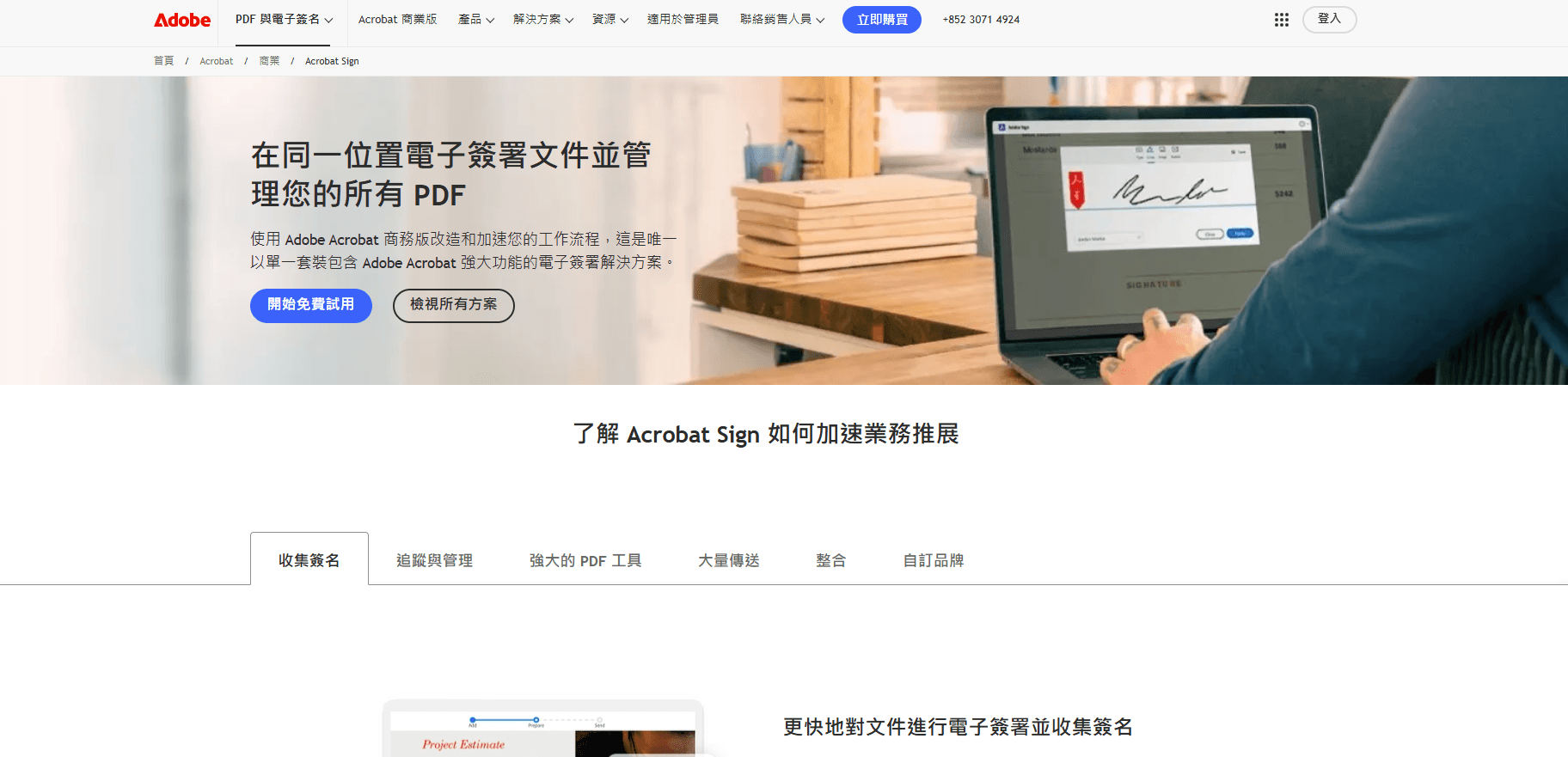
Adobe Sign’s Strategic Exit from Mainland China
Adobe, the multinational software giant behind Adobe Sign, made headlines when it scaled back its operations in mainland China. One of the key drivers behind Adobe Sign’s withdrawal is the increasing regulatory scrutiny over data privacy, AI-related data storage, and cross-border data transfers.
China's tightening cybersecurity laws — such as the Data Security Law (DSL) and the Personal Information Protection Law (PIPL) — emphasize localized data processing and storage. These regulations require foreign software providers to host user data within China’s borders, restrict data transfer out of the country, and impose rigorous checks on how companies utilize data, especially when training artificial intelligence models. Adobe’s global cloud infrastructure faced challenges in adapting to these constraints, prompting the company to pivot its strategy, especially in sensitive sectors like e-signature technology.
Similar Hurdles for DocuSign in China
DocuSign, another global leader in digital signature and electronic contract services, has experienced similar hurdles. While DocuSign emphasizes data protection and maintaining user trust through stringent security protocols and international certifications, its service performance in China has faced notable limitations. Users often report email delivery failures, inaccessible signing links, and slow response times when accessing services from within mainland China.
Unlike markets in North America or Europe where DocuSign’s robust infrastructure ensures speed and reliability, the platform relies on international cloud networks that struggle with China’s regulatory firewall architecture and data routing restrictions. This is further complicated by China’s frequent throttling or monitoring of foreign cloud-based apps, especially those handling sensitive document transactions. Local ISPs may also flag or filter links embedded in DocuSign email messages, contributing to incomplete message rendering or failed link openings.
While DocuSign enforces global best practices in cyber hygiene, including encrypted communications and secure document handling, its lack of a fully localized infrastructure or data residency strategy tailored for the Chinese market places it at a disadvantage. The absence of a domestic cloud partner or data center further complicates the platform’s long-term scalability in China.

Legal and Regulatory Priorities in China Remain Paramount
China's Internet governance policies have shifted dramatically in the last five years. National priorities are now centered around data sovereignty, AI self-reliance, and ensuring Chinese user information stays domestic. These mandates have already influenced decisions ranging from app bans to cloud compliance audits.
Given this, many international cloud solutions like DocuSign haven't been able to achieve full alignment with China’s cybersecurity compliance ecosystem. Specifically, the laws around AI training data prohibit the use of Chinese user data to further global algorithm development unless that data remains within controlled environments and under strict licensing. DocuSign’s cloud model — designed for global user bases with high-speed cross-border transmissions — fundamentally clashes with these impositions unless adjusted through heavy infrastructure localization.
Performance Constraints in the Asia-Pacific Region
Beyond regulatory disruptions, users in China and neighboring regions such as Southeast Asia also cite unsatisfactory user-side performance of DocuSign’s interface and delivery times. While DocuSign maintains a growing presence in APAC, its infrastructure lags compared with U.S. and EU deployments. This results in latency, service timeouts, and even legal inconveniences for businesses reliant on timely document execution.
The issue becomes particularly acute in contract-intensive verticals such as import/export, IP licensing, and cross-border mergers — where even hours of delay can create business risk or compliance inconsistencies. Without regional hosting or deeper integration with local communication platforms such as WeChat Work or DingTalk, DocuSign remains hard to implement for fully localized document exchanges.
Localized Alternatives: Building Cross-Border Trust the Compliant Way
Given the complex technological and legal barriers foreign e-signature platforms face in China, businesses operating in or engaging Chinese entities need reliable, compliant digital contract options.
For enterprises managing cross-border transactions between mainland China, Hong Kong, and Southeast Asia, it's crucial to select platforms that not only offer secure digital signing but also build their technology on a foundation of compliance with regional regulations.
One such alternative solution provider is eSign.AI—a platform optimized for high-speed, compliant contract execution in and out of China and Southeast Asia. Committed to both user experience and legal alignment, eSign.AI leverages data localization strategies, speedy access points across APAC, and compatibility with local business ecosystems. This ensures seamless collaboration between parties without risking delivery failures or non-compliance.
Whether it's onboarding overseas clients for a Shanghai-based startup or managing logistics contracts across Shenzhen, Hong Kong, and Singapore, eSign.AI presents a robust solution built for today’s regional compliance needs.
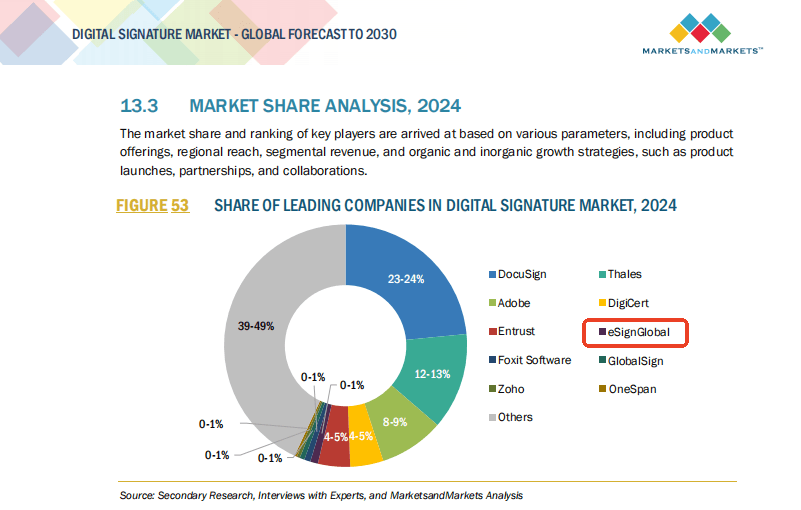
In conclusion, while DocuSign and Adobe Sign remain trusted global tools, their limitations within the China digital ecosystem reflect broader trends in digital sovereignty and data regulation. For international teams working across Asia, aligning tools with regional legal infrastructure isn't just good practice—it’s becoming a core operational necessity. Businesses seeking reliability, legality, and speed in digital contracts should explore localized solutions like eSign.AI, tailored to navigate Asia’s unique digital regulatory terrain.
2026 update: delivery failure is a reliability signal, not just an access glitch
When users in China cannot open DocuSign links or emails, the immediate problem is delivery. The lasting problem is whether the signing chain can reliably produce enforceable evidence there. The 2026 rules keep that distinction clear.
State Cryptography Administration Order No. 6 took effect on 1 July 2026. It regulates the use of commercial cryptography by electronic certification service providers; it does not amend the Electronic Signature Law or automatically determine the validity of every contract. The separate T/CQAE 11034-2025 business-rule standard provides operational guidance and should not be described as the text of Order No. 6.
Read the China's 2026 electronic certification rules for the official timeline, the distinction between the two licensing layers, and the eSign.AI/e签宝 China capability model.
What to verify
- Diagnose delivery and reachability separately from certification and evidence.
- Confirm a signing path that works reliably from inside mainland China.
- Verify the licensed CA and evidence behind signatures completed through that path.
eSign.AI's mainland China capability
eSign.AI's mainland China offering is supported by e签宝's domestic electronic-signature infrastructure. First Financial (Yicai) reported that e签宝 obtained an Electronic Certification Service Licence from MIIT in October 2024. For procurement, confirm the current licence holder, licence number, validity, covered certification system, and the evidence produced by the selected workflow.