


The employment contract lifecycle has gone digital
Employment contracts are one of the highest-volume use cases for electronic signatures. A typical employee lifecycle generates 5-15 signature events: offer letters, employment agreements, policy acknowledgements, NDAs, benefit enrolments, performance reviews, and exit documents. Each carries different risk levels and evidence requirements.
Employment documents by risk and signature tier
| Recommended tier | |
|---|---|
| Offer letter | SES — email verification sufficient |
| Employment agreement | AES — eKYC or identity verification recommended |
| NDA / confidentiality | AES — standard identity verification |
| Policy acknowledgement | SES — simple e-signature |
| Benefit enrolment | SES or AES — depends on jurisdiction |
| Termination / exit | AES or QES — high dispute risk |
| Non-compete clause | QES in jurisdictions where required (e.g. China) |
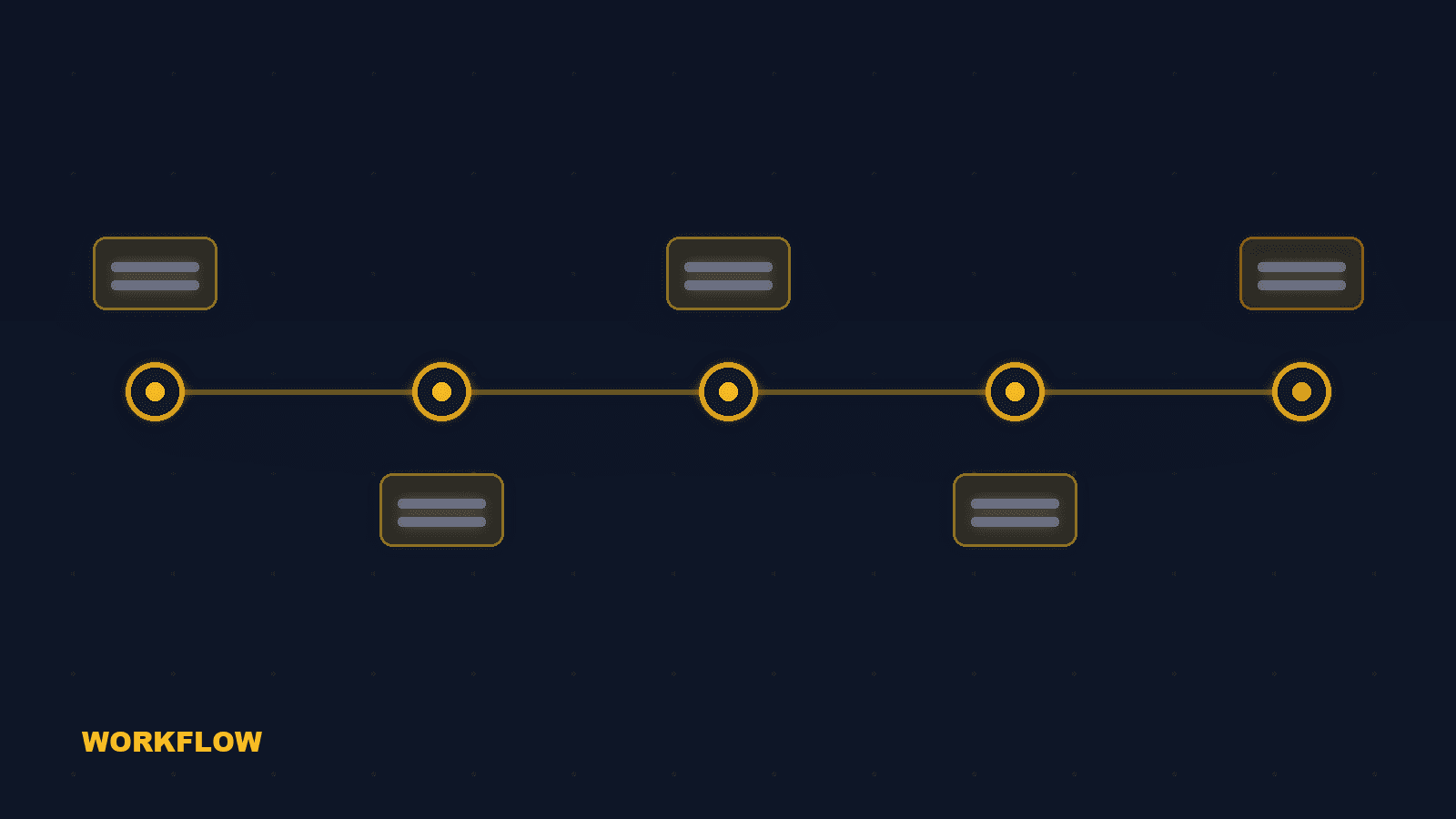
Five stages of the digital employment contract lifecycle
Each stage has specific signing and evidence requirements.
Offer stage. Send the offer letter via e-signature. Use SES for speed — the candidate is not yet an employee. Track the acceptance deadline. Automatically trigger the employment agreement upon offer acceptance.
Onboarding stage. The new hire signs the employment agreement, NDA, IP assignment, policy acknowledgements, and benefit forms. Use bulk send to deliver all documents in one batch. Apply eKYC identity verification for the employment agreement.
Employment stage. Annual policy updates, performance review acknowledgements, promotion letters, and transfer agreements. Use SES for most. Apply AES when amendments materially affect employment terms.
Offboarding stage. Termination notices, exit interviews, non-compete acknowledgements, and return-of-property confirmations. Use AES or QES — offboarding documents have high dispute potential. Maintain complete audit trails.
Archive stage. Retain all signed employment documents per statutory requirements (typically 2–7 years after termination). Store with LTV-enabled evidence packages. Enable retrieval for audits and legal discovery.
Employment contract signing across jurisdictions
China. Under the Labour Contract Law and Electronic Signature Law, employment contracts signed electronically must use CA-backed reliable electronic signatures for enforceability. Simple e-signatures are admissible as evidence but carry lower weight in labour disputes.
Vietnam. Decree 337/2025 requires electronic labour contracts to use qualified signatures via the NELCP platform or CA-backed signatures. Employers must synchronise contract data to NELCP within 24 hours of signing.
Singapore. The ETA recognises electronic employment contracts. MOM accepts e-signed employment documents. AES is recommended for the main employment agreement; SES suffices for policy acknowledgements.
EU member states. Employment contracts generally require written form under national labour laws. eIDAS QES satisfies the written form requirement. Some member states require additional language or witness requirements for certain employment documents.
HR signing workflow implementation checklist
Use this checklist when deploying electronic signing for employment contracts.
Platform setup
Configure HR document templates with merge fields
Set up per-jurisdiction signature tiers
Integrate with HRIS (Workday, BambooHR, etc.)
Configure identity verification per document type
Set up bulk send for onboarding batches
Enable webhook notifications for HRIS sync
Evidence and retention
Store signed contracts in tamper-evident format
Enable LTV for all employment signatures
Set retention periods per jurisdiction (2-7+ years)
Configure access controls for HR, legal, and management
Enable audit log for all document access
Test retrieval and export for compliance audits
How eSign.AI supports HR signing workflows
eSign.AI provides HR-specific features for employment contract signing at scale.
HRIS integration. eSign.AI integrates with Workday, BambooHR, and SAP SuccessFactors. Employment contract data flows from HRIS to eSign.AI automatically; signed status flows back. HR teams do not need to manually create envelopes or update HRIS records.
Bulk onboarding. For monthly onboarding batches, HR uploads a CSV of new hires. eSign.AI generates offer letters and employment agreements for each hire, applies the correct signature tier per jurisdiction, and tracks completion across the batch.
Frequently asked questions
Yes, in most jurisdictions. The ETA (Singapore), ECA (Malaysia), ITE Law (Indonesia), and similar laws across APAC recognise e-signed employment contracts. However, the required signature tier varies: China requires CA-backed signatures, Vietnam requires NELCP-compliant signatures, and some EU member states require QES for written-form employment contracts.
