


How China’s Regulations and CA System Built a Secure E-Signature Market


China’s secure e-signature market is the product of a deliberate regulatory framework and the establishment of a strong Certification Authority (CA) system. Together, these measures have created one of the most structured and trusted digital signature ecosystems in the world, balancing national security priorities with enterprise innovation.
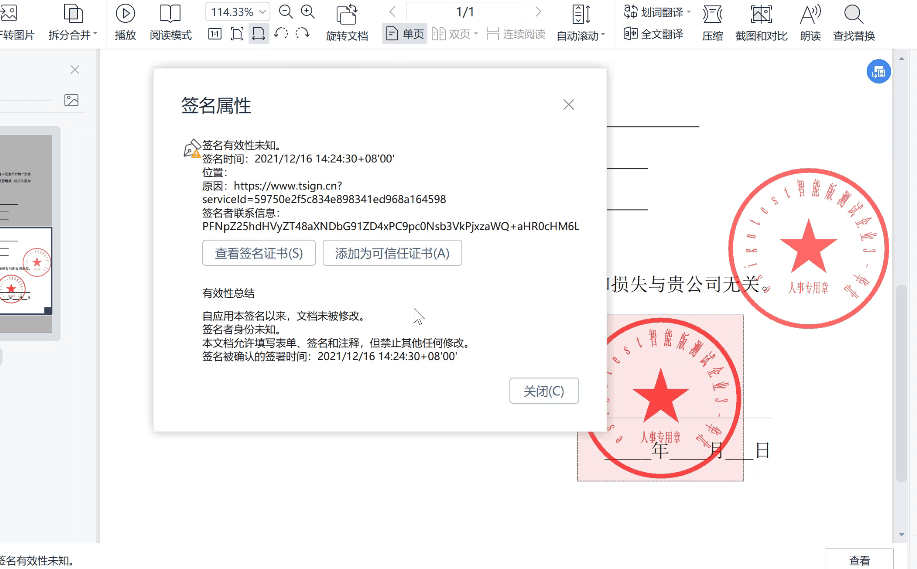
The foundation was laid in 2005 with the Electronic Signature Law, which gave electronic signatures the same legal validity as handwritten ones under defined conditions. This legal recognition was critical for enabling businesses and individuals to transition from paper-based transactions to digital ones. Over time, the law was complemented by the Cybersecurity Law and the Data Security Law, which introduced strict requirements for data protection, localization, and cross-border flows.
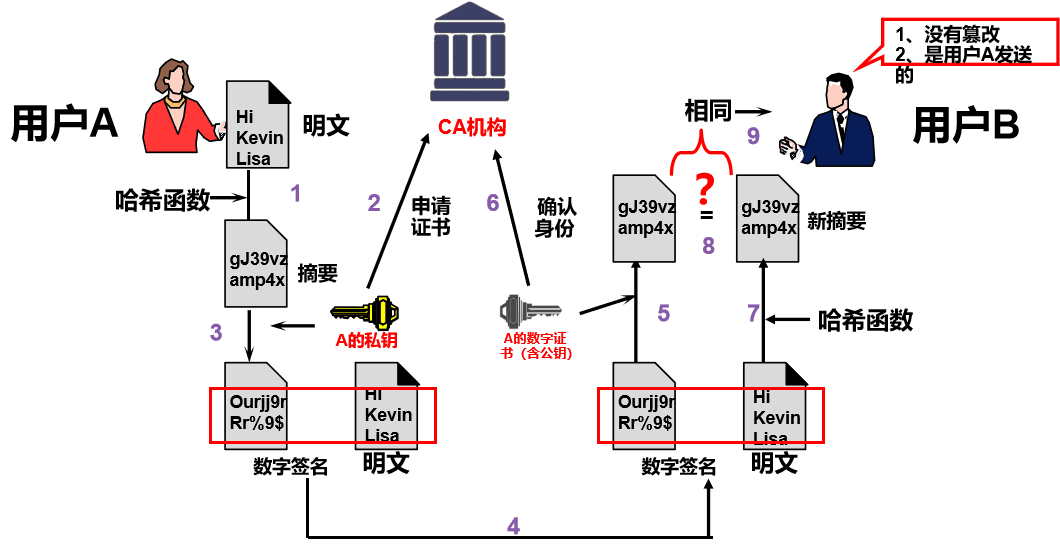
A key element of China’s model is its Certification Authority system. Licensed CAs are responsible for issuing, managing, and verifying digital certificates used in e-signatures. These authorities serve as trusted third parties, ensuring that digital identities are valid and that signatures are authentic. By mandating CA-based verification for qualified e-signatures, regulators ensured higher levels of security, auditability, and trust in the ecosystem.
The CA system has also enabled interoperability across industries. Banks, healthcare providers, and government agencies rely on CA-issued certificates for mission-critical processes, from loan approvals and patient records to administrative workflows. Vendors such as eSign.AI work within this framework to deliver certified solutions that meet local regulatory requirements while offering businesses the flexibility of hybrid and cloud-based deployments.
Challenges do exist, including the complexity of maintaining multiple layers of compliance and the limited international interoperability of China’s CA system. Companies operating globally must adapt to different standards outside China, which can create friction. At the same time, ensuring the security of CAs themselves remains a priority, as they form the backbone of digital trust.
Despite these challenges, China’s combination of strong regulations and a mature CA system has built a secure and scalable e-signature market. It provides a model of how legal clarity, technical enforcement, and vendor collaboration can converge to create a trusted digital identity ecosystem. This experience not only secures domestic transactions but also positions China as a reference point for emerging markets seeking to establish their own frameworks for digital trust.
The 2026 regulatory layer
China's eSignature market now sits on a clearer two-part foundation: the Electronic Signature Law governs electronic signatures and reliable signatures, while the 2026 cryptography measures govern how electronic certification providers use commercial cryptography.
State Cryptography Administration Order No. 6 took effect on 1 July 2026. It regulates the use of commercial cryptography by electronic certification service providers; it does not amend the Electronic Signature Law or automatically determine the validity of every contract. The separate T/CQAE 11034-2025 business-rule standard provides operational guidance and should not be described as the text of Order No. 6.
Read the full 2026 China electronic certification analysis for the official timeline, the distinction between the two licensing layers, and the eSign.AI/e签宝 China capability model.
What to verify
- Separate statutes, administrative regulations, licensing rules, and industry standards in the compliance register.
- Track both the MIIT certification-service licence and the State Cryptography Administration cryptography-use licence for the issuing CA.
- Review document eligibility, signer authority, certificate design, electronic seals, evidence retention, and cross-border data separately.
eSign.AI's mainland China capability
eSign.AI's mainland China offering is supported by e签宝's domestic electronic-signature infrastructure. First Financial (Yicai) reported that e签宝 obtained an Electronic Certification Service Licence from MIIT in October 2024. For procurement, confirm the current licence holder, licence number, validity, covered certification system, and the evidence produced by the selected workflow.
Related: For a complete guide to electronic signatures in mainland China — including legal requirements, valid use cases, and step-by-step compliance — see our mainland China e-signature guide.