
'%3e%3cpath%20fill-rule='evenodd'%20clip-rule='evenodd'%20d='M6.99935%2012.8327C10.221%2012.8327%2012.8327%2010.221%2012.8327%206.99935C12.8327%203.77769%2010.221%201.16602%206.99935%201.16602C3.77769%201.16602%201.16602%203.77769%201.16602%206.99935C1.16602%2010.221%203.77769%2012.8327%206.99935%2012.8327Z'%20stroke='%23666666'%20stroke-linecap='round'%20stroke-linejoin='round'/%3e%3cpath%20d='M1.16602%207H12.8327'%20stroke='%23666666'%20stroke-linecap='round'%20stroke-linejoin='round'/%3e%3cpath%20fill-rule='evenodd'%20clip-rule='evenodd'%20d='M6.99935%2012.8327C8.28802%2012.8327%209.33268%2010.221%209.33268%206.99935C9.33268%203.77769%208.28802%201.16602%206.99935%201.16602C5.71068%201.16602%204.66602%203.77769%204.66602%206.99935C4.66602%2010.221%205.71068%2012.8327%206.99935%2012.8327Z'%20stroke='%23666666'%20stroke-linecap='round'%20stroke-linejoin='round'/%3e%3cpath%20d='M2.875%202.95898C3.93063%204.01461%205.38896%204.66754%206.99978%204.66754C8.61062%204.66754%2010.069%204.01461%2011.1246%202.95898'%20stroke='%23666666'%20stroke-linecap='round'%20stroke-linejoin='round'/%3e%3cpath%20d='M11.1246%2011.0425C10.069%209.98691%208.61062%209.33398%206.99978%209.33398C5.38896%209.33398%203.93063%209.98691%202.875%2011.0425'%20stroke='%23666666'%20stroke-linecap='round'%20stroke-linejoin='round'/%3e%3c/g%3e%3cdefs%3e%3cclipPath%20id='clip0_1267_9109'%3e%3crect%20width='14'%20height='14'%20fill='white'/%3e%3c/clipPath%3e%3c/defs%3e%3c/svg%3e)


Can digital signatures be copied? In 60 seconds
It depends on what you mean by "signature." A signature image can be copied and pasted anywhere. A cryptographic digital signature cannot: it is mathematically bound to the specific document it signs, and reusing it on another document breaks the verification. This guide explains the security model behind that difference.
The two meanings of signature
The confusion comes from two very different things sharing one word. An image is a picture of a signature. A cryptographic signature is a mathematical object computed from the document's content and the signer's private key. They behave completely differently when copied.
Signature image copying
Cryptographic signature reuse
Binding mechanism
Forgery barrier
How a cryptographic signature is bound to its document
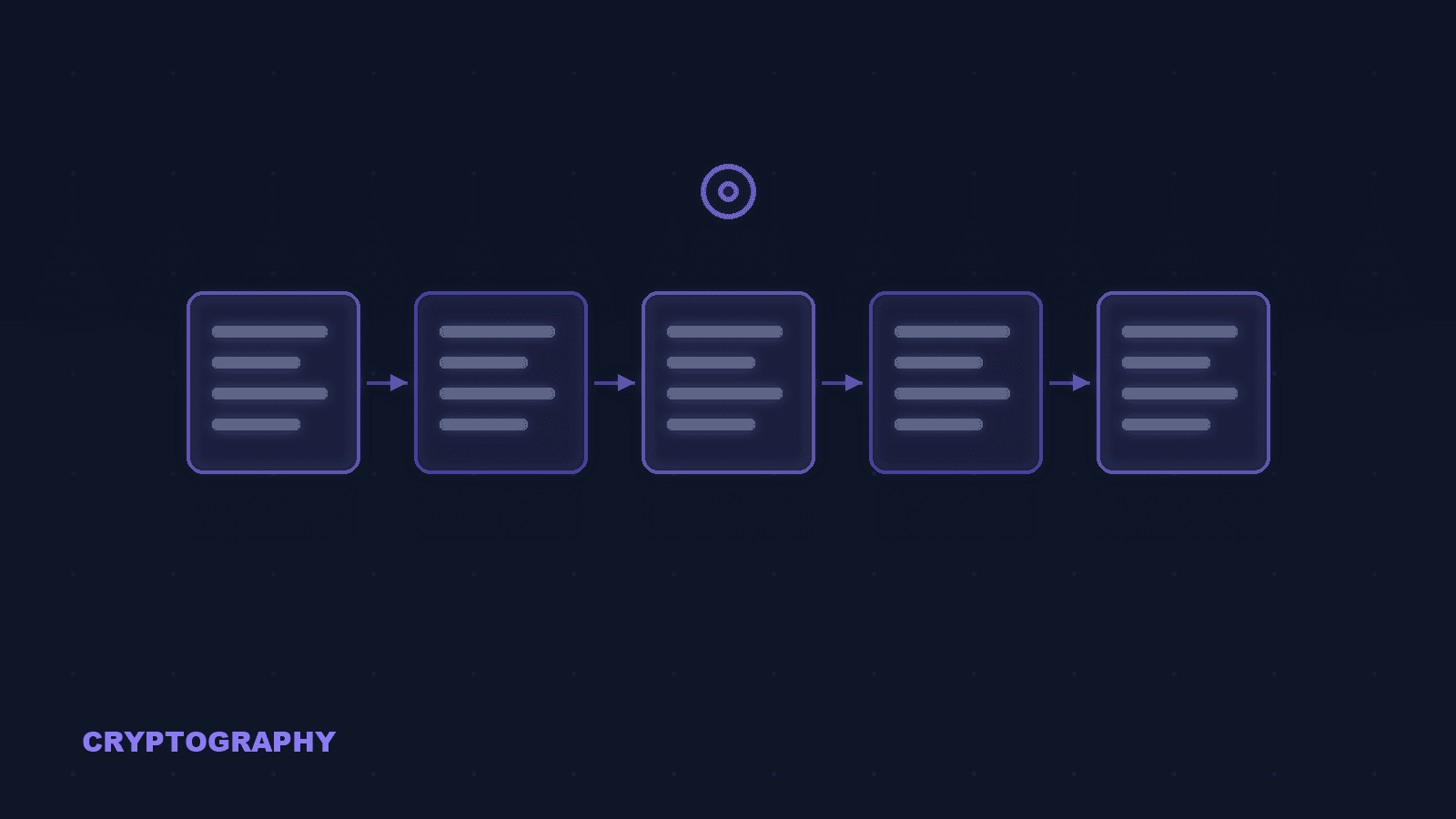
The binding is the core of the security model. Three steps. Hash the document. The signing software computes a hash: a fixed-length fingerprint of the document's exact content. Encrypt with the private key. The hash is encrypted with the signer's private key. This encrypted hash is the digital signature. Verify with the public key. Anyone with the public key decrypts the signature and compares the hash. If the document changed, the hash differs and verification fails.
Why copying a cryptographic signature fails
Copying a cryptographic signature to another document cannot work, by design. Different content, different hash. The second document has different content, so its hash differs. The copied signature decrypts to the first document's hash, which does not match. Verification fails loudly. Signature verification tools flag the mismatch. A copied signature is not silently accepted; it is visibly invalid. The private key is the real secret. The only way to produce a valid signature for the second document is to sign it with the private key. That requires the key, not a copy of an old signature.
Where the model has real risks
The model is strong, but its security depends on how keys are managed. Key compromise. If the private key is stolen, the attacker can sign anything. Key storage and access control are the whole game. Key loss. Losing the private key makes past signatures unverifiable and future signing impossible. Backup and recovery matter. Weak implementations. A signature is only as strong as its implementation: hash algorithm, key length, and certificate validation all matter.
Common questions about copying digital signatures
A cryptographic signature cannot be reused on another document; verification will fail because the content hash differs. A signature image can be pasted, but it is not a valid signature.
The eSign.AI security model
eSign.AI binds every signature to its document with cryptographic hashing and secure key management, and supports certificate-based signatures where workflows require them. The result: a signature that cannot be lifted from one document and reused on another, with verification built into the platform.


