
'%3e%3cpath%20fill-rule='evenodd'%20clip-rule='evenodd'%20d='M6.99935%2012.8327C10.221%2012.8327%2012.8327%2010.221%2012.8327%206.99935C12.8327%203.77769%2010.221%201.16602%206.99935%201.16602C3.77769%201.16602%201.16602%203.77769%201.16602%206.99935C1.16602%2010.221%203.77769%2012.8327%206.99935%2012.8327Z'%20stroke='%23666666'%20stroke-linecap='round'%20stroke-linejoin='round'/%3e%3cpath%20d='M1.16602%207H12.8327'%20stroke='%23666666'%20stroke-linecap='round'%20stroke-linejoin='round'/%3e%3cpath%20fill-rule='evenodd'%20clip-rule='evenodd'%20d='M6.99935%2012.8327C8.28802%2012.8327%209.33268%2010.221%209.33268%206.99935C9.33268%203.77769%208.28802%201.16602%206.99935%201.16602C5.71068%201.16602%204.66602%203.77769%204.66602%206.99935C4.66602%2010.221%205.71068%2012.8327%206.99935%2012.8327Z'%20stroke='%23666666'%20stroke-linecap='round'%20stroke-linejoin='round'/%3e%3cpath%20d='M2.875%202.95898C3.93063%204.01461%205.38896%204.66754%206.99978%204.66754C8.61062%204.66754%2010.069%204.01461%2011.1246%202.95898'%20stroke='%23666666'%20stroke-linecap='round'%20stroke-linejoin='round'/%3e%3cpath%20d='M11.1246%2011.0425C10.069%209.98691%208.61062%209.33398%206.99978%209.33398C5.38896%209.33398%203.93063%209.98691%202.875%2011.0425'%20stroke='%23666666'%20stroke-linecap='round'%20stroke-linejoin='round'/%3e%3c/g%3e%3cdefs%3e%3cclipPath%20id='clip0_1267_9109'%3e%3crect%20width='14'%20height='14'%20fill='white'/%3e%3c/clipPath%3e%3c/defs%3e%3c/svg%3e)


How digital signatures are created, in 60 seconds
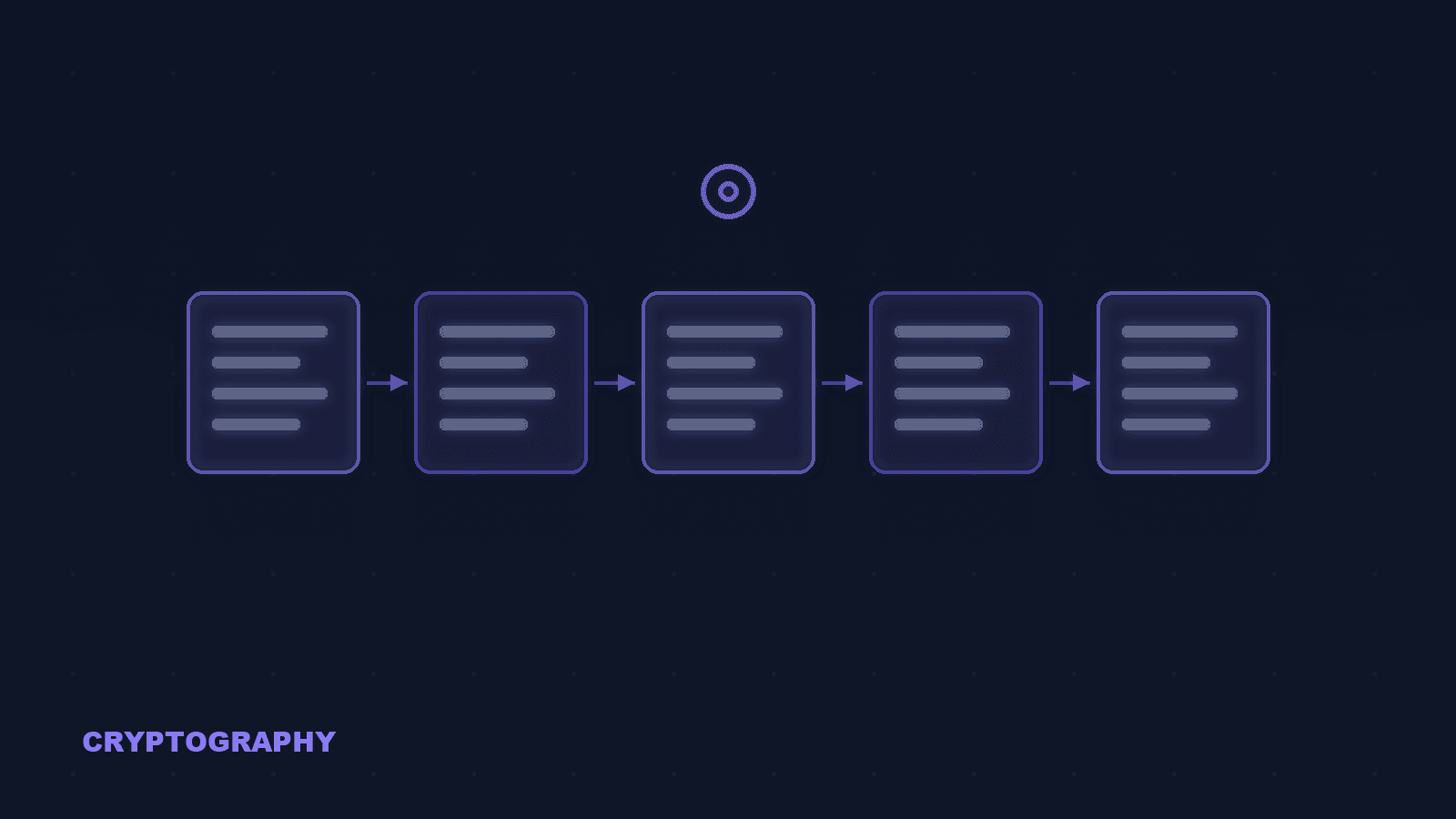
A digital signature is created in three steps: hash the document to a fixed-length fingerprint, encrypt that hash with the signer's private key, and attach the result along with the signer's certificate. Verification reverses the process with the public key. This guide explains each piece and how they fit together.
Why hashing comes first
Signing the full document would be slow and would leak content. Hashing reduces the document to a fixed-length fingerprint that is fast to sign and reveals nothing about the content. The hash also makes tampering detectable: change one byte and the hash changes completely.
Steps to create a signature
Key pair components
Standard certificate format
Common hash algorithms
The key pair, explained
Everything rests on the key pair. Two keys, one job. Private key. Known only to the signer. Used to create signatures. If compromised, the attacker can sign as the signer. Public key. Shared openly. Used by anyone to verify signatures. Mathematically linked to the private key, but you cannot derive one from the other. The math. What one key encrypts, the other decrypts. Signing with the private key produces something only the public key can verify.
The role of certificates
A key pair proves cryptographic control, but not identity. Certificates bridge that gap. What a certificate is. A digital document issued by a certificate authority (CA) that binds a public key to a verified identity. The trust chain. The CA's certificate is signed by a higher authority, forming a chain up to a root CA. Verification walks the chain to establish trust. Why it matters for signatures. Without a certificate, a signature proves "someone with this key signed". With a certificate, it proves "the verified person named in the certificate signed".
Putting it together: the signing flow
The complete flow, from signing to verification. Signing. Hash the document, encrypt the hash with the private key, attach the signature and the signer's certificate. Verification. Recompute the document hash, decrypt the signature with the public key, compare. Then validate the certificate chain and its revocation status. Timestamping. A trusted timestamp anchors when the signature was created, protecting against key compromise after the fact.
Common questions about how digital signatures are created
No. Electronic signature is the broad legal category. A digital signature is a specific technical implementation using cryptography, often based on PKI.
How eSign.AI applies this cryptography
eSign.AI uses PKI-based signing with CA certificates, trusted timestamps, and complete evidence packages. For everyday contracts, the platform's audit trail provides the evidence record; for regulated workflows, certificate-based signatures are available where required.


