
'%3e%3cpath%20fill-rule='evenodd'%20clip-rule='evenodd'%20d='M6.99935%2012.8327C10.221%2012.8327%2012.8327%2010.221%2012.8327%206.99935C12.8327%203.77769%2010.221%201.16602%206.99935%201.16602C3.77769%201.16602%201.16602%203.77769%201.16602%206.99935C1.16602%2010.221%203.77769%2012.8327%206.99935%2012.8327Z'%20stroke='%23666666'%20stroke-linecap='round'%20stroke-linejoin='round'/%3e%3cpath%20d='M1.16602%207H12.8327'%20stroke='%23666666'%20stroke-linecap='round'%20stroke-linejoin='round'/%3e%3cpath%20fill-rule='evenodd'%20clip-rule='evenodd'%20d='M6.99935%2012.8327C8.28802%2012.8327%209.33268%2010.221%209.33268%206.99935C9.33268%203.77769%208.28802%201.16602%206.99935%201.16602C5.71068%201.16602%204.66602%203.77769%204.66602%206.99935C4.66602%2010.221%205.71068%2012.8327%206.99935%2012.8327Z'%20stroke='%23666666'%20stroke-linecap='round'%20stroke-linejoin='round'/%3e%3cpath%20d='M2.875%202.95898C3.93063%204.01461%205.38896%204.66754%206.99978%204.66754C8.61062%204.66754%2010.069%204.01461%2011.1246%202.95898'%20stroke='%23666666'%20stroke-linecap='round'%20stroke-linejoin='round'/%3e%3cpath%20d='M11.1246%2011.0425C10.069%209.98691%208.61062%209.33398%206.99978%209.33398C5.38896%209.33398%203.93063%209.98691%202.875%2011.0425'%20stroke='%23666666'%20stroke-linecap='round'%20stroke-linejoin='round'/%3e%3c/g%3e%3cdefs%3e%3cclipPath%20id='clip0_1267_9109'%3e%3crect%20width='14'%20height='14'%20fill='white'/%3e%3c/clipPath%3e%3c/defs%3e%3c/svg%3e)


Tamper-evident technology in 60 seconds
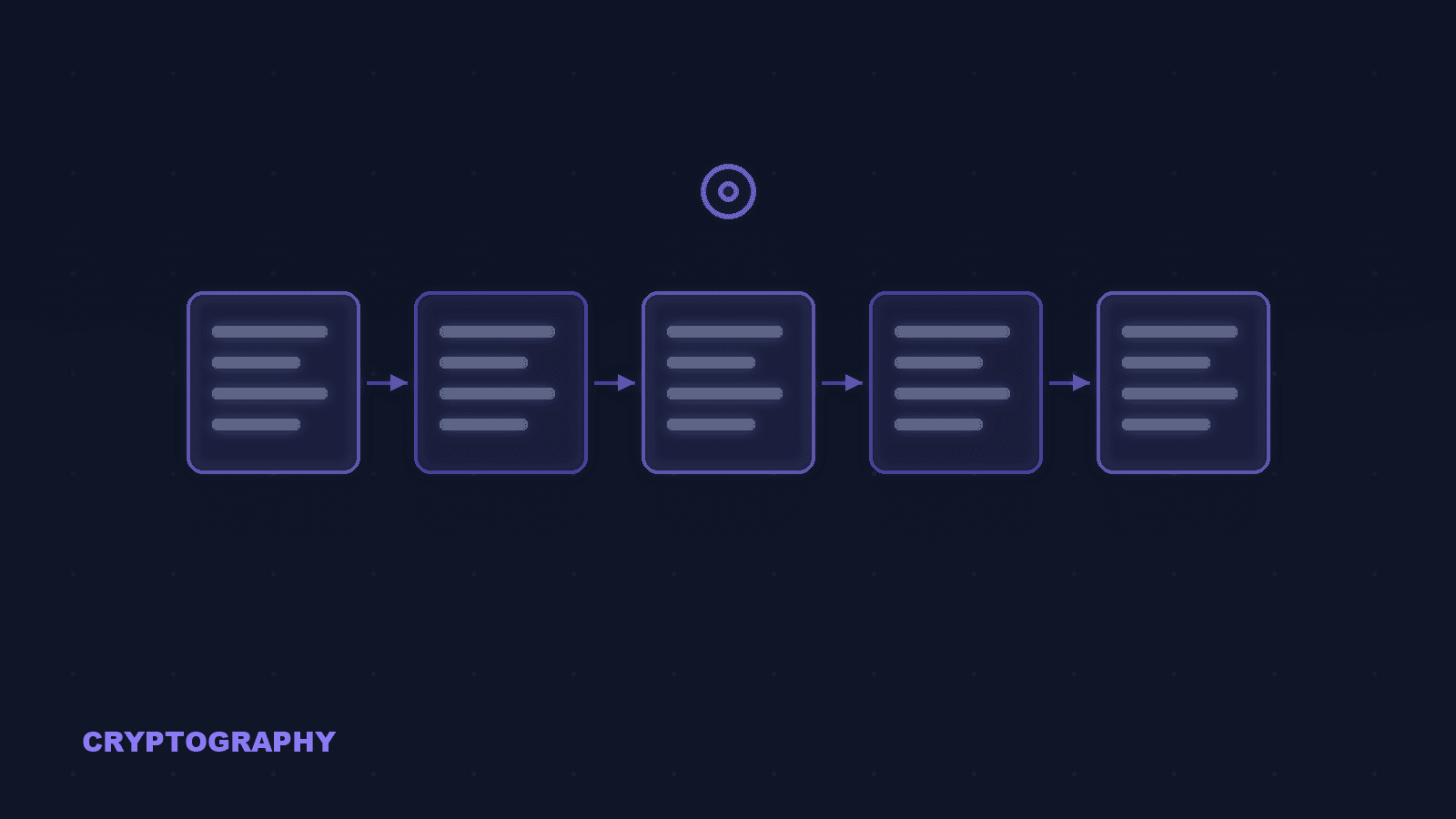
A signed document is tamper-evident when any change to it is detectable. Three mechanisms deliver this: the document hash, the digital signature binding, and the audit trail that records every event. Together they mean a modified signed document cannot pass as the original.
Why tamper evidence is the point of signing
A signature on a document is only meaningful if the document is the one that was signed. Tamper evidence is what connects the two: it proves the content you hold is the content the signer approved. Without it, a signature proves nothing.
Tamper-evidence layers
Hash behavior on any change
Signature binding
Audit trail recording
The three tamper-evidence layers
Each layer catches a different kind of tampering. Together they cover the field. Document hash. A fingerprint of the exact content. Change one byte, and the hash changes completely. The original hash is stored at signing time. Signature binding. The digital signature encrypts the hash with the signer's key. Verification recomputes and compares, failing loudly on any mismatch. Audit trail. A chronological record of every event: uploads, views, signatures, completions. It establishes what happened, when, and by whom.
How tampering gets caught
The detection story differs by what was tampered with. Content changed. The recomputed hash no longer matches the signed hash. Verification fails, and the audit trail shows the document was modified after signing. Signature copied. A copied signature decrypts to a different document's hash. The mismatch exposes the copy immediately. Event history altered. Audit logs with hash chaining or write-once storage resist retroactive edits. Any alteration breaks the chain.
Evidence in practice
Tamper evidence only helps if you can present it. Practice matters. Keep the signed original. Archive the signed PDF and audit certificate together. The certificate is the evidence package that verification tools can check. Preserve metadata. Timestamps, IP logs, and certificate data support the record. Strip nothing when archiving. Know your verification path. Before you need it in a dispute, confirm you can verify the signature: which tool, which certificate chain, and whether the CA is still trusted.
Common questions about tamper-evident documents
Not if it carries a digital signature or a signed hash. Any change breaks verification. A plain image signature, however, provides no such protection.
The eSign.AI tamper-evidence design
eSign.AI builds tamper evidence into every signed document: content hashing, signature binding, and a complete audit trail with certificate export. When a dispute arrives, the evidence package is ready to verify, not a stack of claims.


