'%3e%3cpath%20fill-rule='evenodd'%20clip-rule='evenodd'%20d='M6.99935%2012.8327C10.221%2012.8327%2012.8327%2010.221%2012.8327%206.99935C12.8327%203.77769%2010.221%201.16602%206.99935%201.16602C3.77769%201.16602%201.16602%203.77769%201.16602%206.99935C1.16602%2010.221%203.77769%2012.8327%206.99935%2012.8327Z'%20stroke='%23666666'%20stroke-linecap='round'%20stroke-linejoin='round'/%3e%3cpath%20d='M1.16602%207H12.8327'%20stroke='%23666666'%20stroke-linecap='round'%20stroke-linejoin='round'/%3e%3cpath%20fill-rule='evenodd'%20clip-rule='evenodd'%20d='M6.99935%2012.8327C8.28802%2012.8327%209.33268%2010.221%209.33268%206.99935C9.33268%203.77769%208.28802%201.16602%206.99935%201.16602C5.71068%201.16602%204.66602%203.77769%204.66602%206.99935C4.66602%2010.221%205.71068%2012.8327%206.99935%2012.8327Z'%20stroke='%23666666'%20stroke-linecap='round'%20stroke-linejoin='round'/%3e%3cpath%20d='M2.875%202.95898C3.93063%204.01461%205.38896%204.66754%206.99978%204.66754C8.61062%204.66754%2010.069%204.01461%2011.1246%202.95898'%20stroke='%23666666'%20stroke-linecap='round'%20stroke-linejoin='round'/%3e%3cpath%20d='M11.1246%2011.0425C10.069%209.98691%208.61062%209.33398%206.99978%209.33398C5.38896%209.33398%203.93063%209.98691%202.875%2011.0425'%20stroke='%23666666'%20stroke-linecap='round'%20stroke-linejoin='round'/%3e%3c/g%3e%3cdefs%3e%3cclipPath%20id='clip0_1267_9109'%3e%3crect%20width='14'%20height='14'%20fill='white'/%3e%3c/clipPath%3e%3c/defs%3e%3c/svg%3e)
Verificación directa CA (CA 直验)
Verificación directa por CA licenciado — sin delegación externa.




China continental · Firma digital CA · Ley de Firmas Electrónicas
Una firma electrónica confiable en China es una firma digital basada en CA. Según el artículo 14, tiene la misma fuerza legal que una firma manuscrita cuando cumple las cuatro condiciones del artículo 13.
Actualización regulatoria · 2026
Medidas revisadas y T/CQAE 11034-2025 refuerzan requisitos en cuatro áreas.
Verificación directa por CA licenciado — sin delegación externa.
Acuerdos entre CA y suscriptor directamente. Casillas por defecto ya no bastan.
Emisión y firma con registro completo; assurance alto puede requerir audio/video.
Claves privadas del usuario; custodia requiere autorización escrita.
Fundamentos
El Código Civil y la Ley de Firmas Electrónicas de China otorgan a los contratos y firmas electrónicas el mismo estatus que el papel.
Los contratos pueden celebrarse por escrito, incluidos mensajes de datos como intercambio electrónico e email, cuando el contenido es tangible y accesible.
Una firma electrónica son datos en forma electrónica vinculados a un mensaje de datos para identificar al firmante y indicar aprobación.
En China, una firma electrónica confiable se implementa como firma digital basada en CA con certificados de proveedores licenciados por MIIT.
Base jurídica oficial
Cómo funciona
De la verificación de identidad al paquete de evidencia consultable, el flujo de firma conforme tiene cuatro pasos.
Verificar identidad de cada firmante — personas con identificación y móvil, empresas con licencia comercial. Según 2026, CA debe verificar directamente.
Crear contrato desde plantillas reutilizables con campos de firma, sello y fecha predefinidos.
Aplicar firma digital CA con certificado, hash y sello de tiempo confiable.
Preservar documento con registros de identidad, eventos, integridad y cadena de certificados.
Definición jurídica
El artículo 13 enumera cuatro condiciones acumulativas.
Los datos de creación de firma son exclusivos del firmante. Según 2026, la custodia de claves requiere autorización por escrito.
Toda modificación a la firma es detectable tras la firma.
El mensaje de datos y sus pruebas de integridad se conservan íntegramente.
El artículo 3 excluye documentos de relaciones personales, derechos inmobiliarios y servicios públicos.
Capacidades de eSign.AI
eSign.AI proporciona a equipos legales, RRHH y operaciones herramientas para firma electrónica conforme a escala en China.
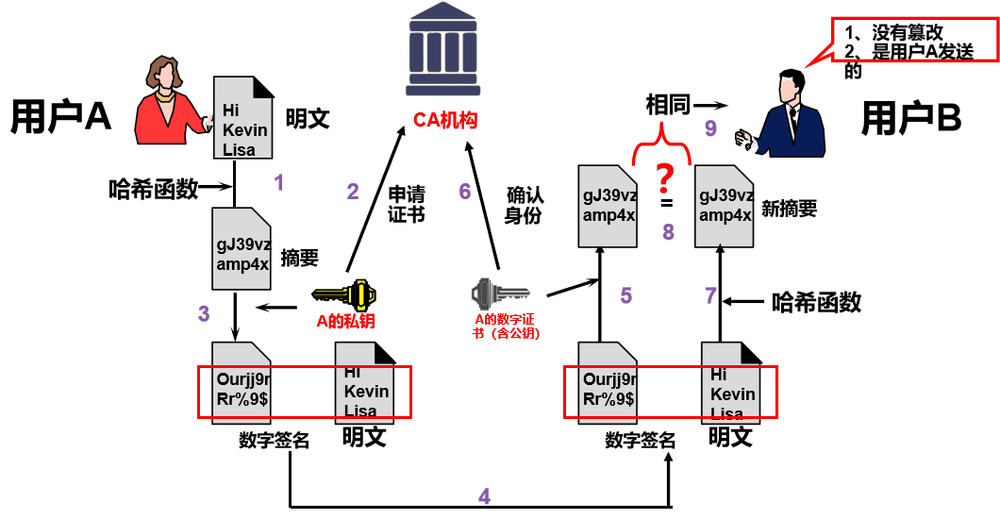
Verificar personas y empresas; conectar proveedores y sistemas vía integraciones.

Plantillas reutilizables con campos arrastrar y soltar.
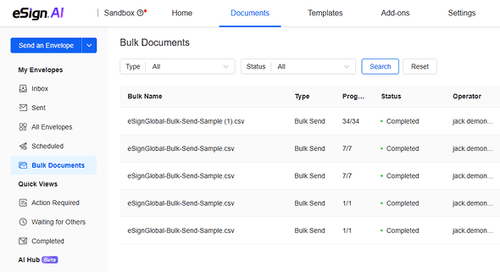
Enviar a 1.000+ destinatarios desde CSV con seguimiento en tiempo real.
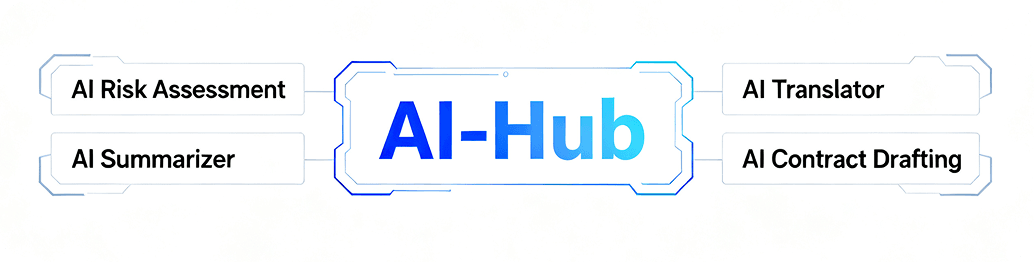
AI Hub marca cláusulas de riesgo, resume contratos y verifica cumplimiento.
Evidencia y admisibilidad
Los tribunales chinos evalúan evidencia electrónica según creación, almacenamiento y transmisión.
Cada documento sellado con hash y sello de tiempo, con registros verificables.
Conservación con autoridades de sello de tiempo y notarización blockchain.
Documentos e identidades consultables para auditoría.
Cronología legal
Sistema maduro no significa un solo camino de firma — las decisiones son por documento.
Mensajes de datos y firmas confiables establecidos.
Revisión para comercio electrónico.
Texto oficial actual.
Art. 469 refuerza mensajes de datos.
La entidad china de eSign.AI obtuvo la licencia de servicios de certificación electrónica MIIT, estableciendo capacidad CA propia.
T/CQAE 11034-2025 y medidas revisadas publicadas.
Aplicación estricta de reglas de certificación.
Escenarios
De RRHA a transfronterizo.
Contratos laborales, onboarding.
Contratos venta, NDA, proveedores.
Prestamos, apertura de cuentas.
Ordenes de compra, calidad.
ERP, CRM, HR, OA via API.
China continental con Hong Kong.
Historias de clientes
Cómo empresas líderes estandarizan la firma en RRHH, cadena de suministro y operaciones.
Obtenga una demostración de configuración con verificación, plantillas, evidencia e integración.
FAQ
Revisión de flujo China
Revise tipos de documento, roles, sistemas y requisitos de evidencia.